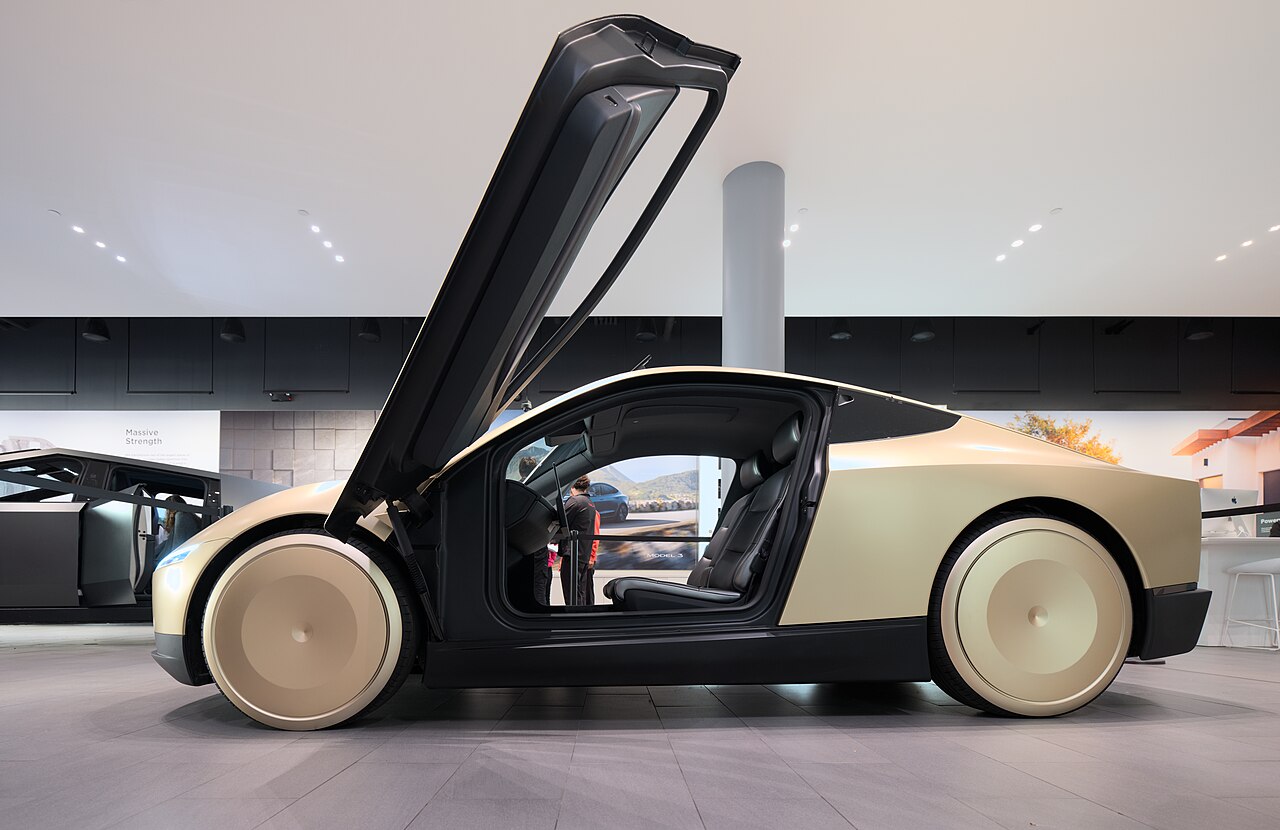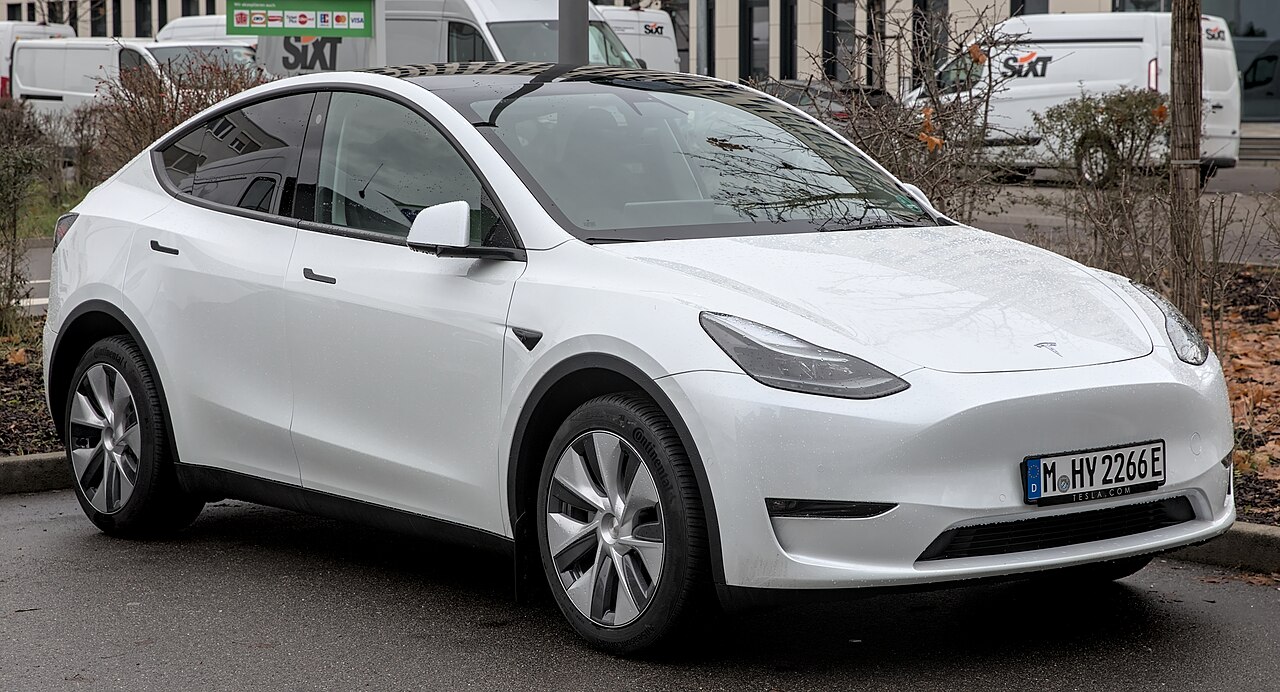
Tesla's robotaxi service in Austin now runs until 11pm. Until the first week of October it stopped at 10pm, a limit that had been in place since 26 August.
One hour. That is the whole operational change, and it is worth more attention than a one-hour change normally earns, because of the reason Elon Musk gave for it.
The Constraint Is Pets
Asked why the service does not run later, Musk answered directly. The main thing Tesla is trying to solve, he said, is making sure the cars do not run over pets when they are hard to see at night — "literally trying to avoid grey kittens on grey tarmac in the dark."
That is not a throwaway line. It is a precise description of a known failure mode.
A small, low-contrast object, at night, against a surface of almost the same luminance, is close to the worst case for a passive camera. There is very little signal to work with. The object has no reliable edges, no colour separation, and no motion cue if it is sitting still. A human driver with headlights struggles with it too — which is exactly why it is a bad thing to leave to a perception stack that has nothing but headlights and cameras.
Tesla's stack has nothing but headlights and cameras. The company removed radar in May 2021 and has never fitted lidar. Musk has called lidar a fool's errand and, more interestingly, "a seductive local maximum."
Both of those sensors measure distance directly rather than inferring it from brightness. Neither cares much what colour a kitten is.
Musk has named, in his own words, the specific physical problem that the sensor Tesla chose not to fit is best at solving. The hours are the receipt.
What the Hour Actually Tells You
Read the timeline rather than the announcement.
- June 2025 — the Austin service launches and runs until midnight
- 26 August 2026 — the window sits at 6am to 10pm
- 2–3 October 2026 — it moves to 6am to 11pm
Sixteen months after launch, the service closes earlier than it did on day one. The operating envelope has not expanded monotonically; it has been tightened and is now being let out again an hour at a time, gated on a perception problem in the dark.
Musk attached no date to 24-hour operation. The stated condition for the next extension is better detection of small, low-contrast objects at night — a capability problem, not a scheduling one.
Set against that, the other Musk line from the same stretch is the one that matters commercially: Tesla is being extremely careful with autonomous safety, just as it is with making Teslas the safest cars in the world for human driving.
Careful is the correct posture. It is also expensive. A robotaxi that cannot work the late-night hours is a robotaxi that cannot work the shift where ride-hailing demand peaks and surge pricing lives. Friday and Saturday nights are the economics of this business.
The Expansion Problem Is the Real One
The service is still in one city.
That is the part of the picture that should concern anyone modelling this as a business rather than a technology demo. The pressure on Tesla has shifted: the hard question is no longer whether the cars can complete rides in Austin, it is whether the operation generalises to the next market and the one after that, at a cost that works.
Every city adds a new road surface, a new rain pattern, a new set of intersections, a new regulator. A vision-only stack that is being hand-tuned past a specific failure mode in one metro has to clear that bar again everywhere it goes. Each extra operating hour, each extra city, arrives as a separate engineering negotiation rather than a software rollout.
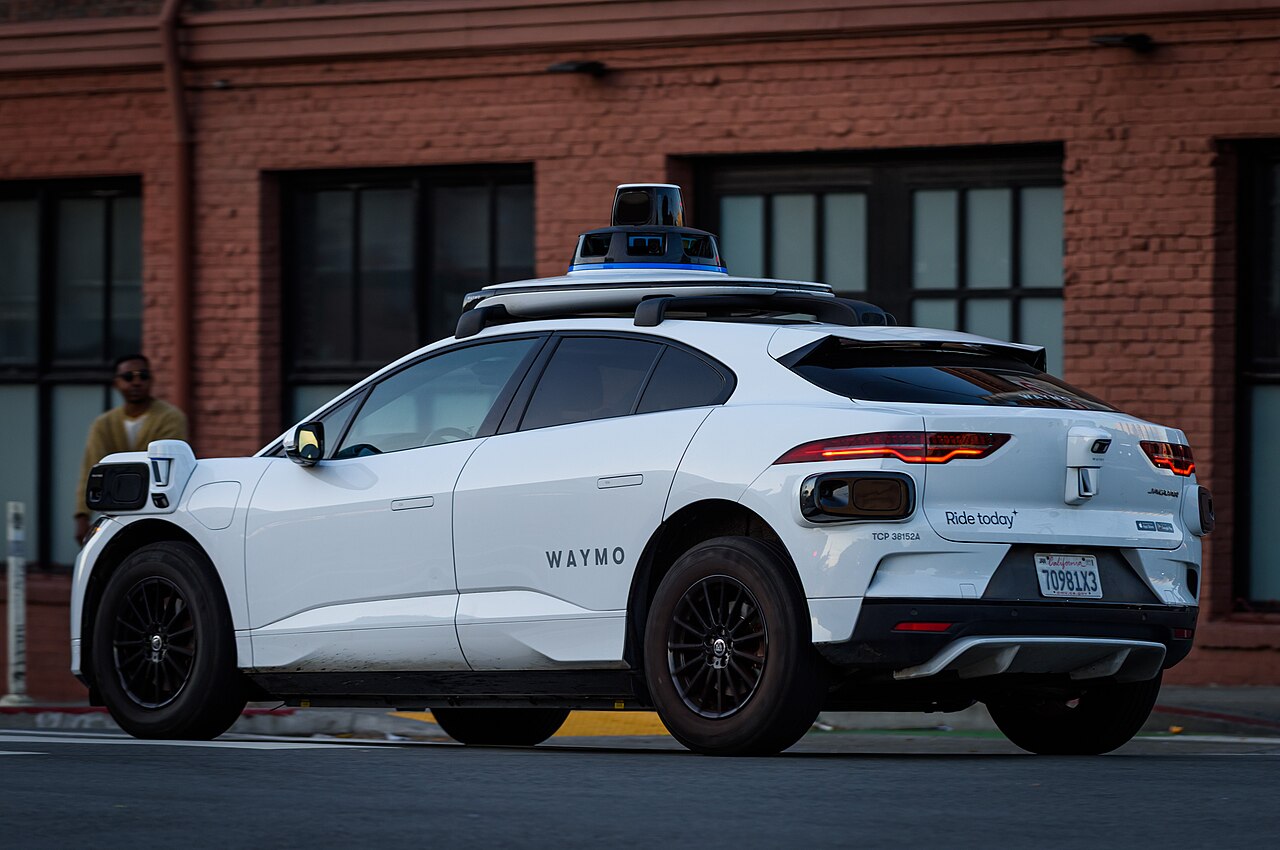
Compare the shape of that with the competition. The rivals running lidar and radar pay a hardware bill per vehicle and buy, in exchange, a sensor that does not degrade when the light does. Tesla pays nothing per vehicle and buys the problem Musk has just described out loud.
Which is the better trade at scale is a genuinely open question — one is a unit-cost problem, the other is a capability problem, and unit costs fall over time while physics does not. But the two strategies now have a visible scoreboard, and it is measured in operating hours.
What to Watch
Three things, in order of how much they would actually tell you:
- The next hour. If the window moves past midnight, Tesla has made real progress on low-light detection. If it sits at 11pm for months, it has not.
- The second city. A genuine second market, with the same or wider hours from the start, would show the Austin work generalising. A second market opening on narrower hours would show it does not.
- Any sensor change. Nothing in the public record suggests Tesla is revisiting lidar. It remains the single highest-signal reversal available in autonomy, and the reason to keep watching for it is that Musk has now articulated, unprompted, the exact problem it solves.
For now the headline is modest and honest: Tesla's robotaxi runs one hour later than it did last week, in one city, and the thing standing between it and the night shift is a cat you cannot see.