Following the commercial debut of its driverless ride-hailing operations in Austin, Texas, Tesla has initiated its first comprehensive Cybercab rider experience feedback program, gathering direct telemetry and user sentiment on in-cabin comfort, interface responsiveness, and autonomous ride dynamics.
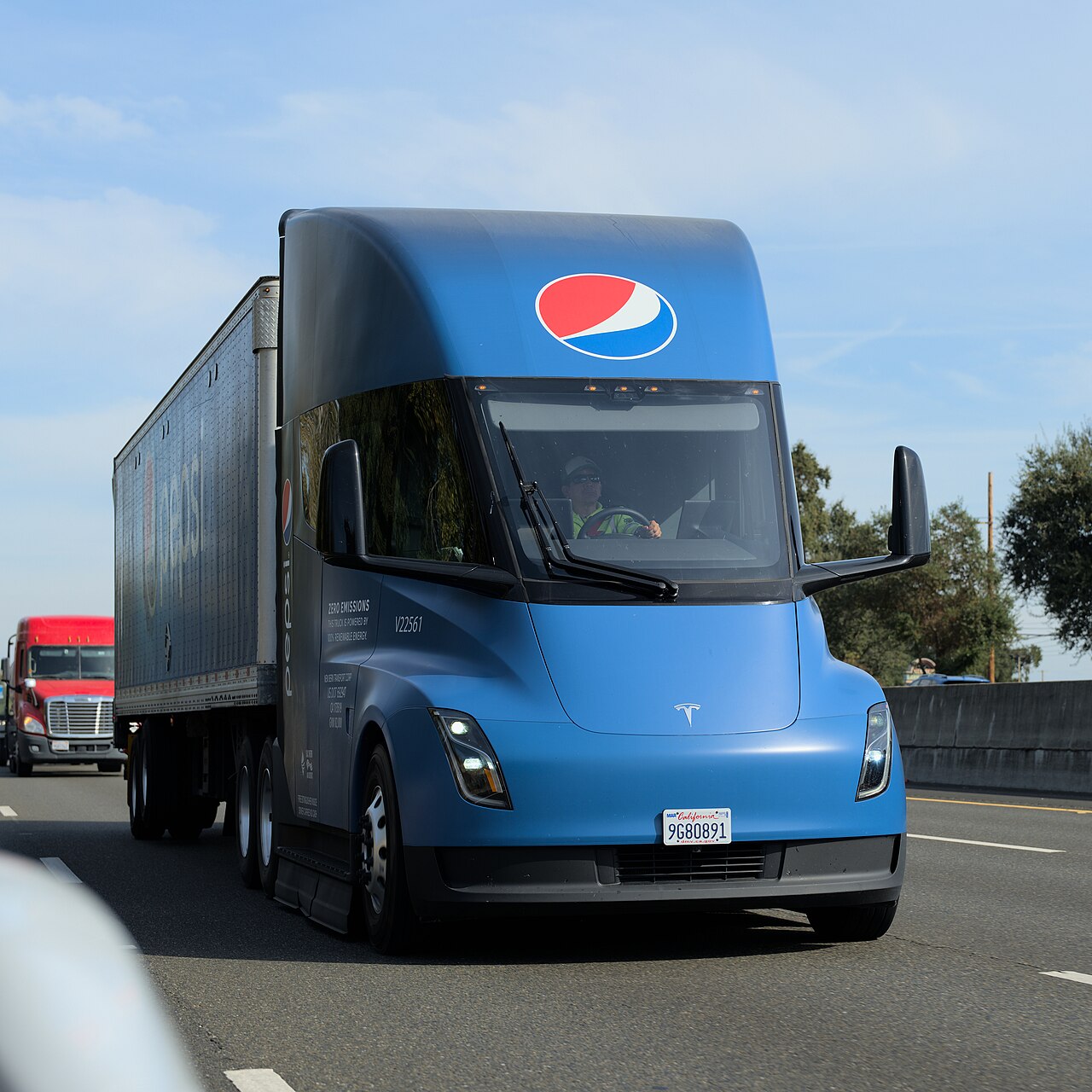
At the same time, engineering validation fleets comprising both early prototypes and production-intent Cybercabs have been documented undergoing rigorous testing across Northern California, with particular focus on inclement weather performance and dense suburban navigation.
"The transition from human driver to dedicated autonomous pod requires re-engineering the entire passenger emotional curve. Removing mechanical controls turns cabin acoustics, display intuition, and ride smoothness into the primary safety and luxury differentiators."
The "Zen Cabin" Architecture & Rider Sentiment
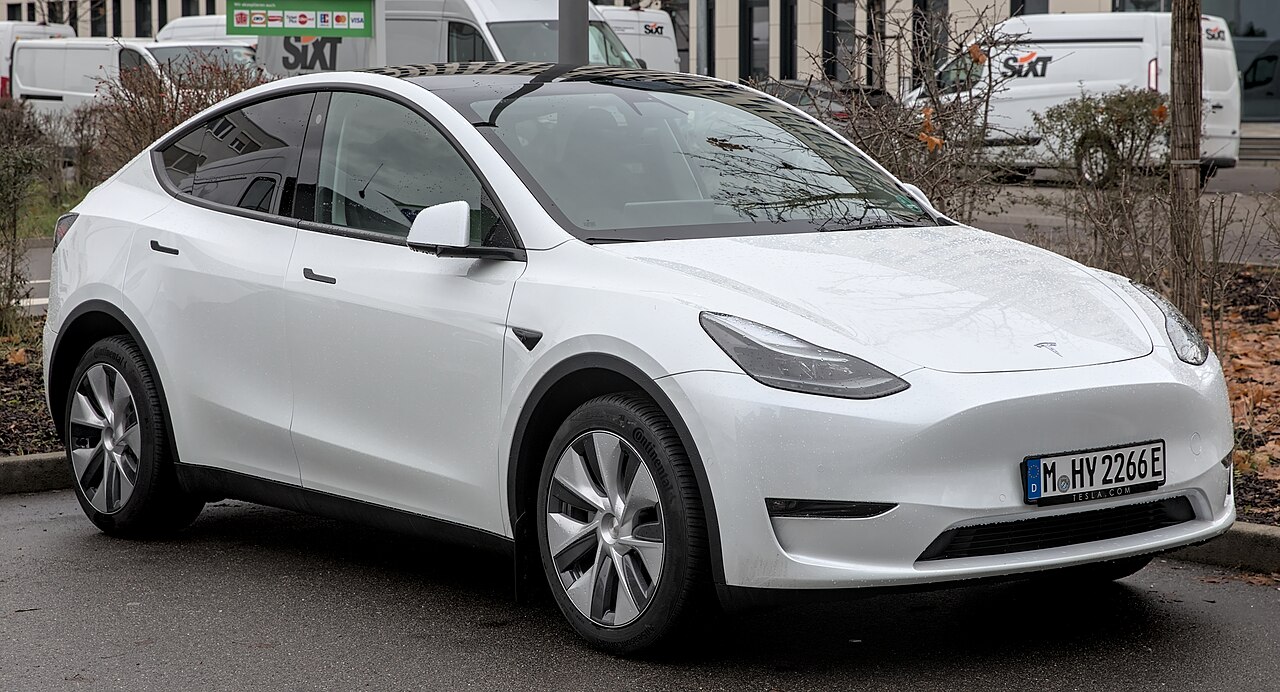
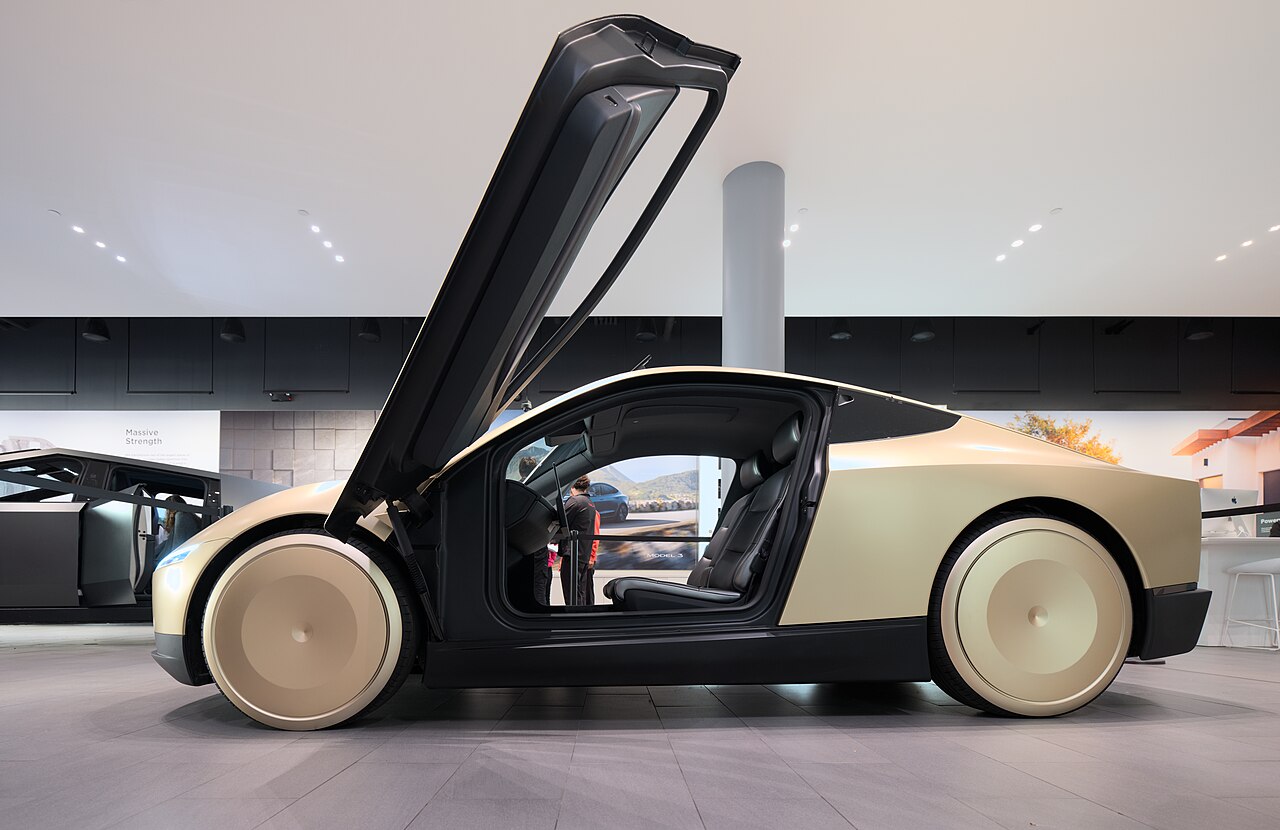
The Cybercab's purpose-built two-passenger cabin marks a radical departure from converted production vehicles like the Model Y robotaxis currently trialed elsewhere. Without a steering wheel, pedals, or rearview mirrors, passenger focus shifts entirely to interior comfort and digital interaction.
Early feedback gathered from Austin passengers highlights several focal points:
- Acoustic Isolation & Ambience: The absence of drivetrain noise combined with active acoustic cancellation creates what early riders term a "zen cabin" feel, prioritizing relaxation and productivity.
- Feature Prioritization Survey: Tesla’s product team is utilizing a forced-choice ranking methodology, requiring survey participants to select their top three feature desires (such as customized climate zones, media streaming integration, and localized route stops) to prevent bloated UI software stacks.
- Ingress/Egress Ergonomics: The upward-opening butterfly doors provide upright entry, eliminating the cramped low-roof access typical of conventional compact coupes.
End-to-End Neural Perception in Inclement Weather
A central theme in recent testing footage shared by Tesla AI leadership, including Director of AI Ashok Elluswamy, is the Cybercab’s performance under heavy rain and reduced-visibility conditions.
• Perception Paradigm: Camera-only photon capture + end-to-end neural networks
• Compute Engine: Dual AI5 custom inferencing silicon
• Mechanical Redundancy: Dual-channel steering actuators & redundant brake controllers
• Cleaning Systems: High-pressure aerodynamic air knives & hydrophobic lens coatings
Unlike competitors who rely on external mechanical LiDAR pucks that can suffer backscatter in heavy rain, Tesla’s camera-only vision architecture processes raw photon streams through transformer networks trained on billions of real-world miles. Fleet validation in the Bay Area and Central Texas demonstrates that end-to-end models navigate standing water, wet asphalt reflections, and diminished lane markings without sensor degradation.
Regulatory Scrutiny and Federal Oversight
While public reception remains enthusiastic, the Cybercab's deployment remains under active review by the National Highway Traffic Safety Administration (NHTSA). Federal regulators are auditing Tesla’s self-certification documentation regarding compliance with Federal Motor Vehicle Safety Standards (FMVSS), specifically examining crashworthiness and occupant protection systems designed for vehicles without manual controls.
As Tesla refines its software based on initial rider surveys, the Austin pilot serves as the foundational operating blueprint for planned multi-city commercial expansions heading into 2027.