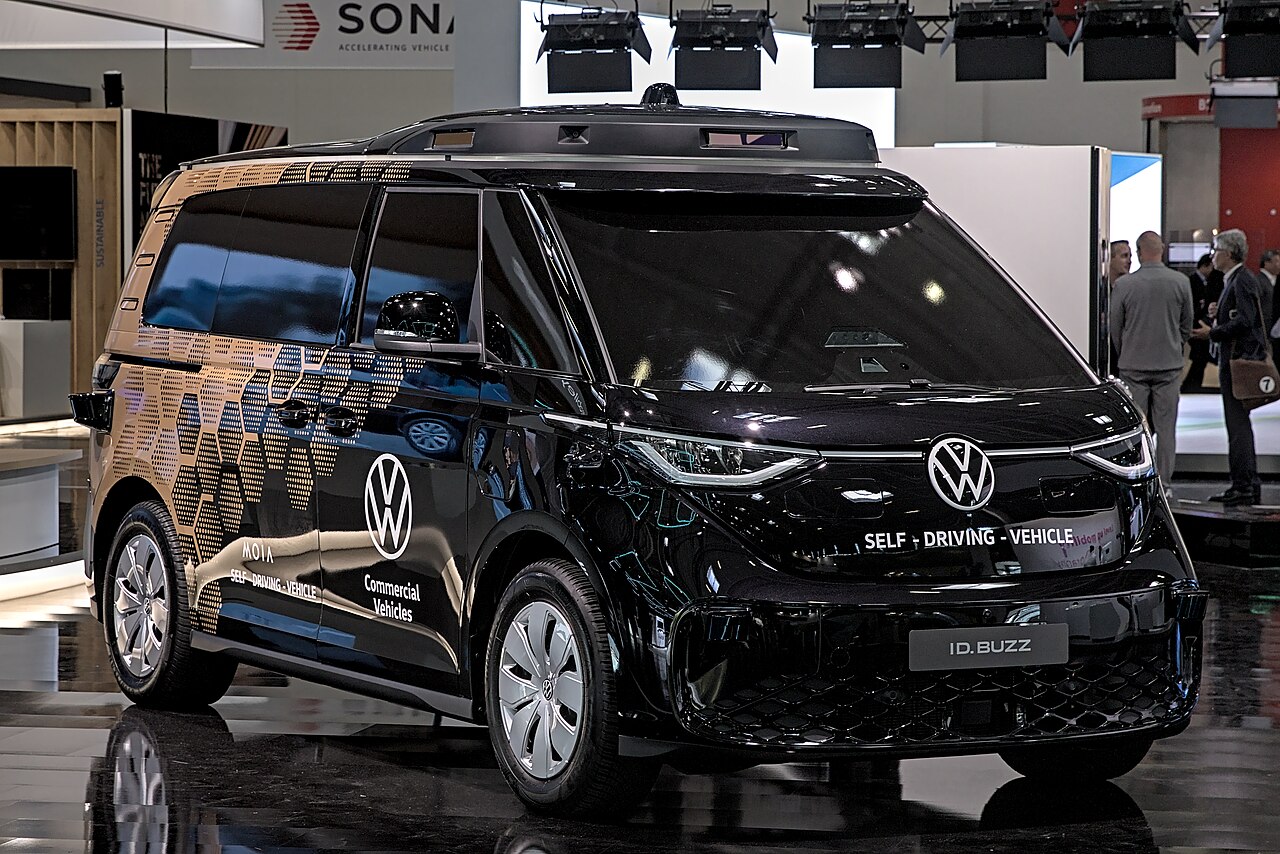
On 24 September 2026, invited passengers began riding driverless Volkswagen ID. Buzz AD vans in Lake Nona, a master-planned community on the south-eastern edge of Orlando. It is the first time MOIA America has carried public passengers anywhere in the United States.
Three routes. Fixed pickup and drop-off points. Booking through the Beep app. Invitation only.
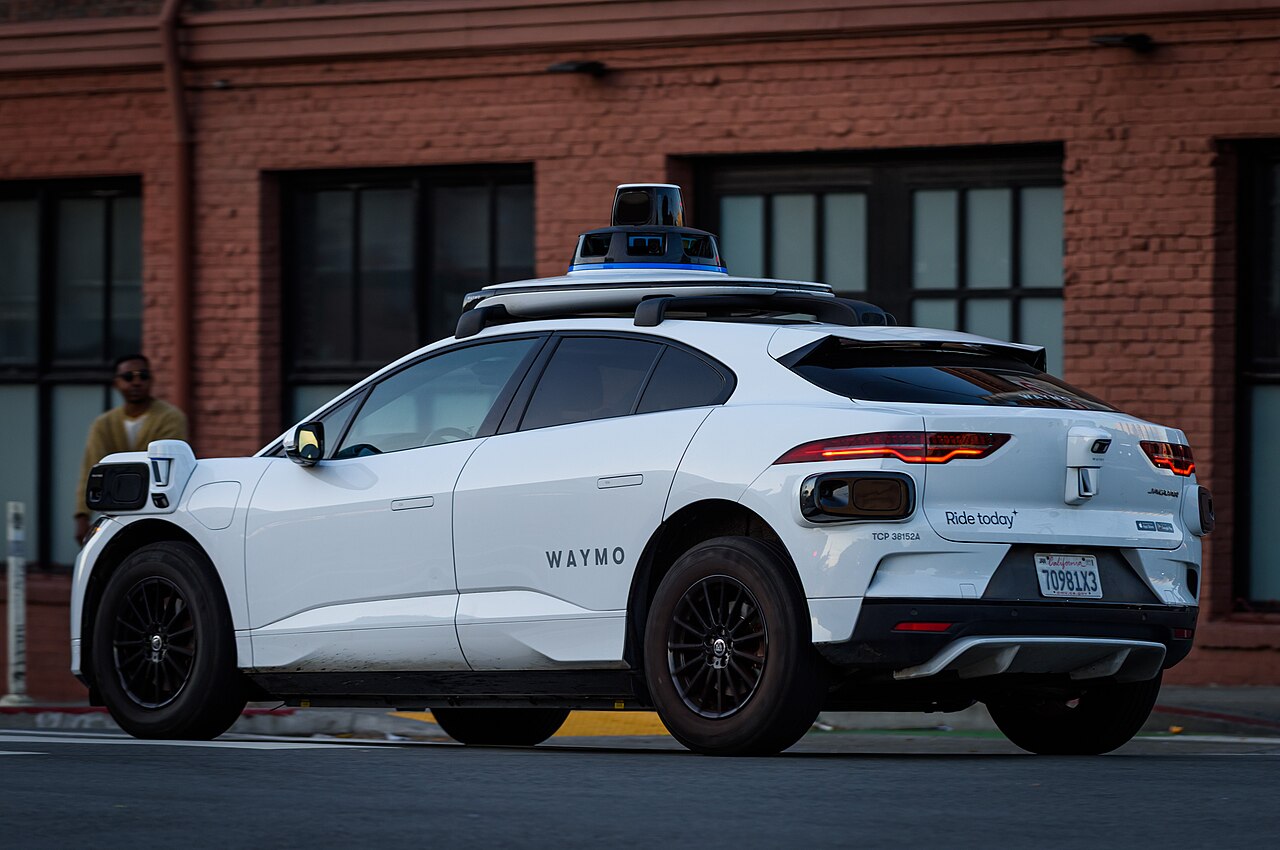
If that sounds unambitious next to Waymo's open-city operations, that is because it is a different product entirely — and the difference is the story.
This Is a Bus Company, Not a Taxi Company
Both MOIA and Beep have been explicit in their own materials that the target market is microtransit and public transit operators, not consumer ride-hailing. Everything about the Lake Nona launch follows from that.
- Three designated routes, not free-roaming point-to-point
- Dedicated stops, not kerbside pickup wherever you stand
- A community-scale service area, not a metro-wide one
- Onboard human operators during the validation phase
Waymo's commercial model requires solving an entire city before it can charge for a single ride. MOIA and Beep's model requires solving one corridor and then selling that corridor to a transit authority as a line item cheaper than a driver.
That is a materially easier engineering problem and a materially harder sales problem. The technology risk goes down; the procurement cycle goes up. Municipal transit contracts move on timelines that make automotive product cycles look brisk.
The Stack Is Three Companies Deep
What is actually deployed in Lake Nona is a layered arrangement, and each layer belongs to a different balance sheet.
- Mobileye supplies the Level 4 self-driving system — the drive itself
- Volkswagen supplies the ID. Buzz AD, purpose-built as an autonomous-ready platform
- MOIA supplies the MaaS software platform, operator training and enablement
- Beep supplies AutonomOS, its fleet operating system, and runs the service
The vehicle carries 27 sensors: 13 cameras, 9 LiDAR units and 5 radar. That is a redundancy-heavy configuration, and a deliberate one — a van carrying transit passengers on a fixed route has a different liability profile than a privately owned car whose owner accepted a terms-of-service dialogue.
Beep has been running autonomous shuttles in Lake Nona since 2019. The community is not a pilot site chosen at random; it is a place where residents have watched driverless vehicles operate for seven years.
That matters more than it sounds. The hardest variable in early robotaxi deployment is rarely the software. It is whether the public, the local authority and the insurers have any prior basis for comfort. Lake Nona is one of the very few places in America where all three do.
The Number to Watch Is 5,000
The partnership's stated target is up to 5,000 autonomous ID. Buzz vehicles across US markets over the next decade. MOIA already has facilities in Los Angeles and Austin.
Set that against what is actually running today — three routes in one Florida community, invited riders only — and the gap is roughly a factor of everything. Which is the honest way to read it: 5,000 is a manufacturing and procurement ambition, not a deployment forecast.
Still, the unit economics are worth thinking through, because they are unlike the robotaxi economics the market has been pricing.
- A robotaxi competes with a human driver on a per-ride basis, in a market with elastic demand and price-sensitive riders
- A microtransit shuttle competes with a transit authority's driver payroll, on a contracted route, with demand that is largely fixed
The second is less glamorous and much more predictable. It is also the segment where a driverless vehicle's weakest attribute — inflexibility — costs almost nothing, because the route was never going to change anyway.
What Is Not Yet Established
Three gaps, stated plainly.
Fleet size is unpublished. Neither Reuters nor either company has given a vehicle count for the Lake Nona service. Three routes could be served by three vans or thirty, and the difference is the whole story on service frequency.
Safety-operator status at launch is unconfirmed. The April partnership materials describe onboard human operators during initial validation phases. Whether operators were still aboard on 24 September has not been separately confirmed, and "driverless" in the coverage should not be read as "unoccupied."
No pricing, no timeline to open access. The service is invitation-only with no published date for general availability and no fare structure. Until there is a paying rider, there is no revenue test of the microtransit thesis.
Why It Matters
Volkswagen has spent close to a decade and a very large amount of money trying to be an autonomy company, through Argo AI and then through Volkswagen Autonomous Mobility. Argo ended in 2022 with nothing carrying passengers.
This is the first time that effort has produced a member of the public in a seat. The route is short, the rider list is curated, and the vehicle count is undisclosed — but the thing exists, and it is operating on American roads under a commercial partnership rather than a research permit.
The strategic read is that Volkswagen has stopped trying to win the robotaxi race and has instead gone looking for the segment where its actual asset — a purpose-built, high-volume passenger van — is the advantage rather than the constraint. Nobody else in autonomy is building a vehicle shaped like the ID. Buzz, because nobody else is targeting the bus.
Whether American transit authorities buy 5,000 of them is a question for the next decade. Whether the thing works on three routes in Orlando is a question for the next six months, and that is now being answered in public.