On 30 September 2026, Governor Gavin Newsom signed SB 1246. For the first time, a California city or county will be able to take an autonomous-vehicle operator to court and collect money when one of its cars gets in the way of an emergency.
The penalties are $5,000 for each failure to move a stalled vehicle, or to let first responders move it, and $10,000 where a robotaxi obstructs emergency operations for more than 30 minutes after officials have asked for a technician.
The law takes effect on 1 July 2028 — twenty-one months from the signature.
The Problem the Bill Is Answering Is Already Documented
This is not pre-emptive regulation of a hypothetical. The numbers behind the bill are specific and local.
- Robotaxis blocked San Francisco first responders 31 times between April 2025 and the bill's drafting.
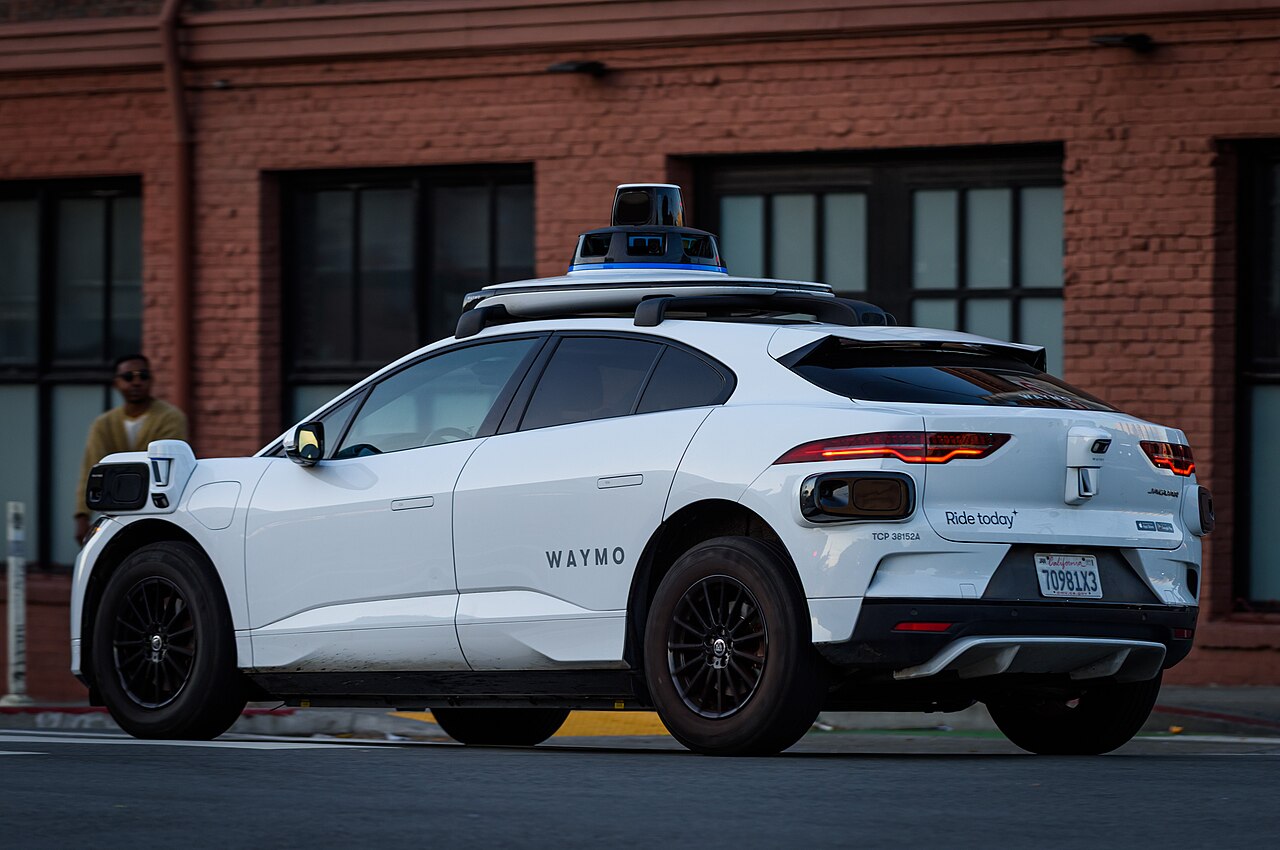
- During the December 2025 blackout, roughly 1,500 Waymo vehicles stalled across the city. Waymo itself reported 1,593 stops of two minutes or longer.
- Waymo vehicles produced gridlock during the city's Fourth of July fireworks.
Against that, Senator Dave Cortese's central claim is a legal one rather than a safety one: as he put it, there is at present "no municipal or county ability legally to regulate robotaxis at all." California's cities host the vehicles and absorb the consequences; the authority to do anything about it sits with the state.
What Operators Will Actually Have to Do
The obligations are operational, not design-level. SB 1246 requires that:
- Remote operators be based in the United States and hold a US driver's licence.
- Companies notify local jurisdictions of vehicle locations and status during system-wide failures — the December 2025 scenario, written into statute.
- A local incident technician be available, and first responders be guaranteed an on-site contact at accidents and obstructions.
- Vehicles be capable of manual or remote disabling at a first responder's request.
- Companies report on their response times to incidents.
The US-based remote-operator clause is the one with the widest implications. It rules out staffing a California robotaxi fleet's remote-assistance desk from a lower-cost jurisdiction overseas, which is a cost-structure decision dressed as a safety rule.
The telling provision is not the fine. It is the requirement that a firefighter be able to reach a named human who can move the car. Cortese's phrase for what exists now — "a corporate voicemail" — is the actual target of this bill.
Cortese's own framing was blunter: "We should never allow technology to move faster than public safety… our police officers, firefighters and paramedics need a direct line to someone who can act, not a corporate voicemail."
Who Was For It and Who Was Against It
The coalition behind SB 1246 was a labour-and-first-responder bloc: the California Association of Highway Patrolmen, the California Police Chiefs Association, California Professional Firefighters, the AFL-CIO and SEIU California. SEIU 721 president David Green put the case in one line: "SB 1246 gives first responders the authority they need when every second matters."
Waymo and the Autonomous Vehicle Industry Association opposed the bill, arguing the notification requirements were onerous and would force technician deployment for minor incidents. Cortese characterised Waymo's position as "we don't want you to touch our vehicles. We don't want them towed."
After the signature, Waymo's tone changed: "We are grateful for the amendments made to the bill, which ensure autonomous vehicle operators can still feasibly serve Californians."
That sentence is worth reading twice. It is not an endorsement — it is relief that the enacted version is survivable.
The 2028 Date Is the Real Story
A law signed in September 2026 that binds nobody until July 2028 gives the industry seven more quarters of the status quo. Measured against the scale now deployed — Waymo alone runs roughly 4,000 vehicles nationally, about 1,200 of them in the Bay Area — that is a long runway, and fleets will be materially larger when the obligations finally bite.
The delay cuts both ways. It gives operators time to build US-based remote-assistance teams and local technician coverage rather than scrambling, which is presumably what the amendments bought. It also means the 31 blocked-first-responder incidents that motivated the bill will have a successor set, accumulated under no enforceable rule at all, before the first $5,000 cheque is written.
Why It Matters Beyond California
California is where the American robotaxi industry is concentrated, and it has just established the template: operational duties, a named local human, and a dollar figure attached to obstruction, enforced by the cities rather than the state.
Tesla, Waymo and Zoox are the operators in scope. None of them will be structurally smaller in July 2028 than they are now, which means SB 1246's practical test is not whether the fines deter — $10,000 is not a deterrent at fleet scale — but whether the technician-and-contact machinery actually clears a blocked intersection faster than a support queue does.
That is a modest ambition for a landmark law. It is also, on the evidence of December 2025, the thing that was missing.