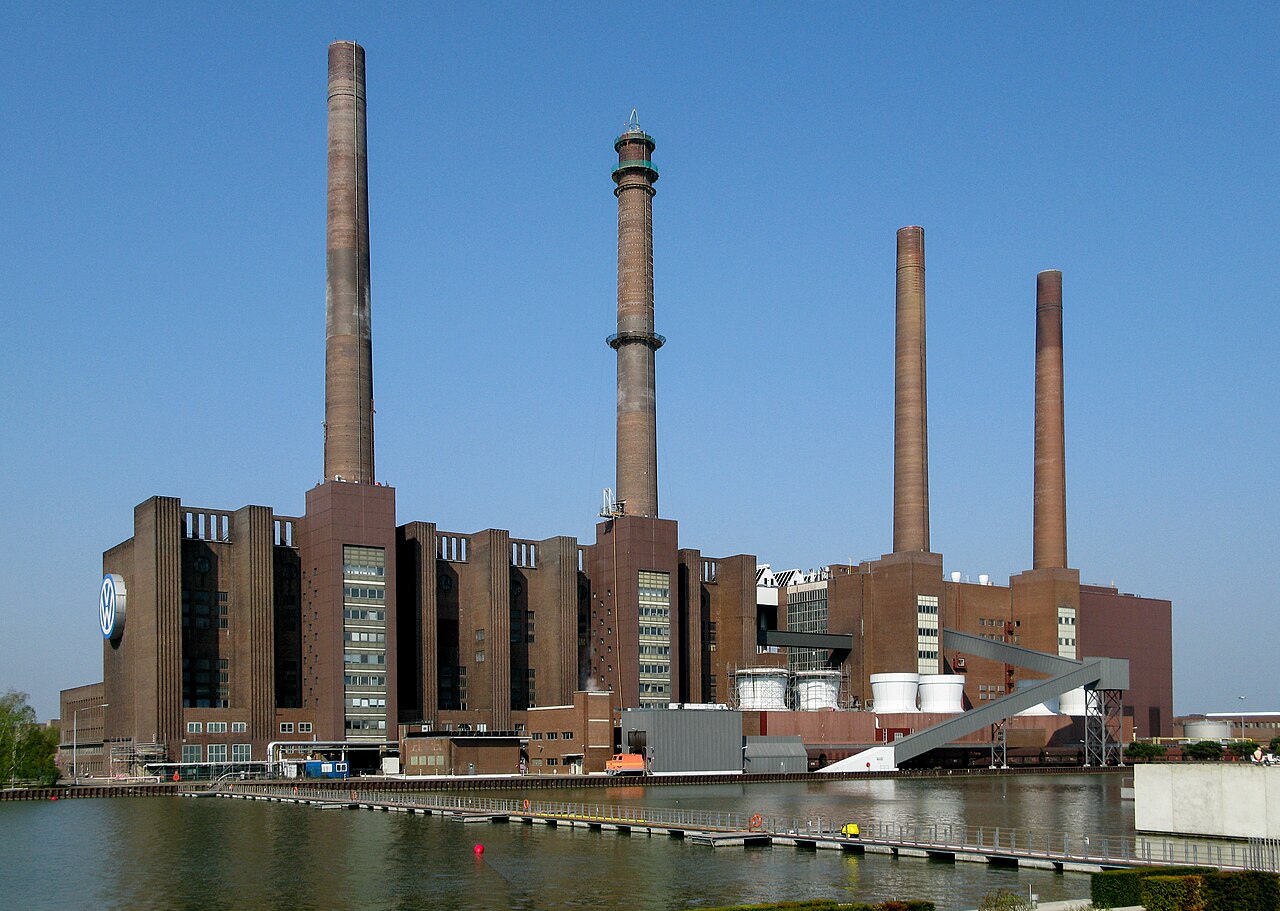
Volkswagen has cancelled planned additional shifts at Wolfsburg. Reported on 22 September 2026 by German trade title Automobilwoche and carried independently by electrive, Electrek and Motor1, the decision pulls the plant's annual output down to roughly 580,000 vehicles from a planned 600,000-plus.
Under normal circumstances that sentence reads as bad news — a demand shortfall, a warning, another line in a difficult year. It is not. The shifts were cancelled because the orders went somewhere else inside the same company.
What Moved Where
The reallocation is specific, and it runs in one direction.
- Wolfsburg — planned extra shifts for the petrol Golf and Tiguan cancelled; output settles near 580,000
- Emden — at least two extra shifts added, currently for the ID.7, with the electric ID. Tiguan to follow; the ID.4 relocates here from Zwickau, while the ID.5 is phased out
- Zwickau — order levels for the ID.3 Neo have improved since its April European launch
- Spain — Martorell and Navarra ramping on the ID. Polo, Cupra Raval, Škoda Epiq and ID. Cross
The Emden and Zwickau detail carries the most weight. Both plants were cut from two production lines to one in May 2026. Four months later one of them is adding shifts back. That is a very short round trip for a capacity decision, and it tells you the forecast those cuts were based on was wrong in the direction nobody at Volkswagen expected.
The Order Book Did This
The cars driving it are the cheap ones.
- ID. Polo — 40,000-plus orders across Europe since its late-April launch, with a reported ten-month waiting list; from €24,995 for the 37 kWh Trend, rated at roughly 207 miles
- ID. Cross — orders opened in July, from €27,995
- Urban Electric Car Family overall — 100,000-plus pre-orders
- Škoda Epiq and Cupra Raval, on the same underpinnings, showing the same surge
Martin Sander, Volkswagen's board member for sales, put it plainly: "Demand for battery-electric vehicles is noticeably increasing in Germany and other European countries." He has described the shift as a turning point.
The measurable version of that claim is the one that matters: in Germany, Volkswagen is now taking more battery-electric orders than combustion orders. Not registrations built up over a decade of policy support — current order intake, on current price lists.
The Problem Hiding Inside the Good News
Here is where the story stops being a victory lap.
Volkswagen is substituting lower-margin volume for higher-margin volume, at scale, on purpose, because the customer is making the choice. A Golf and a Tiguan built in Wolfsburg are among the most profitable things the brand does. An ID. Polo at €24,995 is not.
Volkswagen has finally built electric cars people queue for. It did so by pricing them where the margin isn't.
Set that against the rest of the group's month. On 21 September we covered Volkswagen booking roughly €10 billion in special items, driven by the Porsche impairment, and cutting its margin target to about one percent. Four days later the volume brand is deliberately trading profitable combustion shifts for less profitable electric ones.
Both things are true at once, and they are not in conflict — they are the same decision seen from two ends. The group is absorbing a brutal year on the balance sheet precisely so the volume brand can win the segment that decides the next decade.
What to Watch
- Whether the waiting list survives contact with supply. A ten-month wait is a demand signal today and a cancellation risk by spring. Renault, Stellantis and the Chinese entrants all have small-EV answers arriving into that same queue.
- Whether Spain absorbs the volume. The urban family's economics depend on Martorell and Navarra, not Wolfsburg. If the ramp slips, the cheapest cars become the least available ones.
- What happens to Wolfsburg. A cancelled shift is not a closed plant, but it is a plant whose product mix is being outvoted by the customer. The electric ID. Tiguan going to Emden rather than Wolfsburg is the detail to keep an eye on.
For years the critique of Volkswagen's electric programme was that it built cars people did not want at prices that did not work. It has now fixed the first half. The second half is the one that shows up in the accounts.