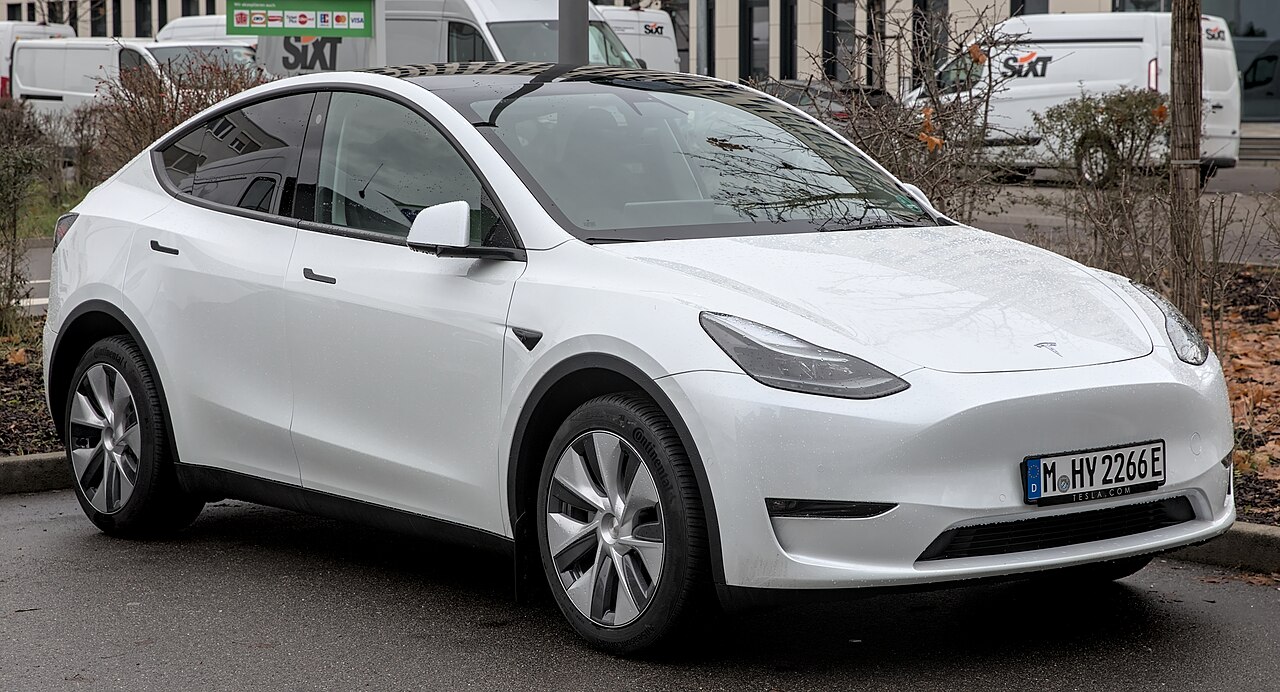
Tesla has reached an agreement with its works council at Gigafactory Berlin-Brandenburg (Grünheide) to introduce mandatory weekend and night shifts as the plant targets an aggressive production ramp to 7,500 Model Y crossovers per week by mid-October 2026.
The German manufacturing hub, which is currently delivering just under 6,500 units per week, is activating targeted surge shifts to bridge a 1,000-vehicle weekly production shortfall driven by rising European retail orders.
"The bottleneck is not mechanical line speed — our engineering cycle time is locked at 45 seconds per unit. The objective is continuous uptime to meet rebounding European order books."
Special Shift Architecture & Labor Coordination
The special shift programme negotiated with the factory works council spans three key dates in September across vehicle assembly, paint, and stamping operations:
- Night Shift (Sept 18): Full vehicle build line surge.
- Early Shift (Sept 19): Powertrain mating and final inspection.
- Night Shift (Sept 25): End-of-quarter volume push.
To balance labor demands, the shifts are distributed across the plant’s three primary operating crews (Blue, Red, and Silver), ensuring no single worker is scheduled for more than one mandatory weekend rotation. Battery and localized cell production lines are excluded from the mandate.
The 3,500-Worker Headcount Expansion
• Current Production: ~6,400 Model Y units / week
• Q4 2026 Run-Rate Target: 7,500 Model Y units / week (~390,000 annualized)
• Workforce Recruitment: ~3,500 specialized technicians & assembly operators
• Line Throughput: 1 vehicle roll-off every 45 seconds
Strategic European Positioning
While legacy European OEMs face mounting factory utilization cuts, Tesla is doubling down on localized volume. The Model Y continues to trade places with the Dacia Sandero and Volkswagen Golf as Europe's top-selling passenger vehicle across key metropolitan hubs.
By expanding Grünheide's weekly throughput to 7,500 units, Tesla shields European buyers from shipping delays and import tariffs, providing a hardened domestic supply chain as transatlantic trade barriers and EV incentives evolve heading into 2027.