Tesla's third quarter is being reported as a beat, and it was one: 486,532 vehicles delivered against a consensus of 461,974 — 24,558 units clear, or 5.3%.
But the number worth sitting with is not in the comparison to analysts. It is in the comparison to Tesla's own factories.
The company produced 464,391 vehicles in the quarter and delivered 486,532. Deliveries exceeded production by 22,141 units — 4.8% more cars out of the door than were built.
Where 22,141 Cars Come From
They come from inventory. There is no other place.
A quarter in which deliveries outrun production is a quarter in which the company sold down finished-goods stock it was already carrying. That is unambiguously good for cash — inventory is working capital sitting still, and converting it into deliveries converts it into receivables. It is also, by construction, a one-time benefit. The 22,141 cars that cushioned Q3 are not available to cushion Q4.
This is the opposite of the pattern that worried people in early 2024, when Tesla was building more than it was selling and the yards were filling up. The direction has reversed. The caveat is simply that the reversal cannot repeat indefinitely: you can only empty a lot once.
A delivery beat built partly on inventory is a real beat and a borrowed one at the same time. The cars were sold. They were not made this quarter.
Supporting that read, the company exited the second quarter with its largest order backlog since 2023. Demand drawing down stock is a healthier explanation than production stumbling — and the production figure, 464,391, is not a collapse.
The Two Comparisons That Matter
Against the prior year, the quarter is down:
- Q3 2025: 497,099 — a record, inflated by a rush of US buyers beating the federal tax credit's 30 September 2025 expiry
- Q3 2026: 486,532 — 2.1% lower
Against the prior quarter, it is up:
- Q2 2026: 480,126
- Q3 2026: 486,532 — 1.3% higher
Both are true, and the year-on-year decline is the less informative of the two. Q3 2025 was a pull-forward quarter: a deadline-driven spike that borrowed demand from the future. Measuring against a borrowed peak and calling the gap a decline mistakes the distortion for the trend.
The sequential figure is the cleaner signal, and it says Tesla has now put together a modest second consecutive quarter of growth off a post-incentive base — the harder environment, without the credit.
The Mix Has Barely Moved
The split is lopsided and getting no less so:
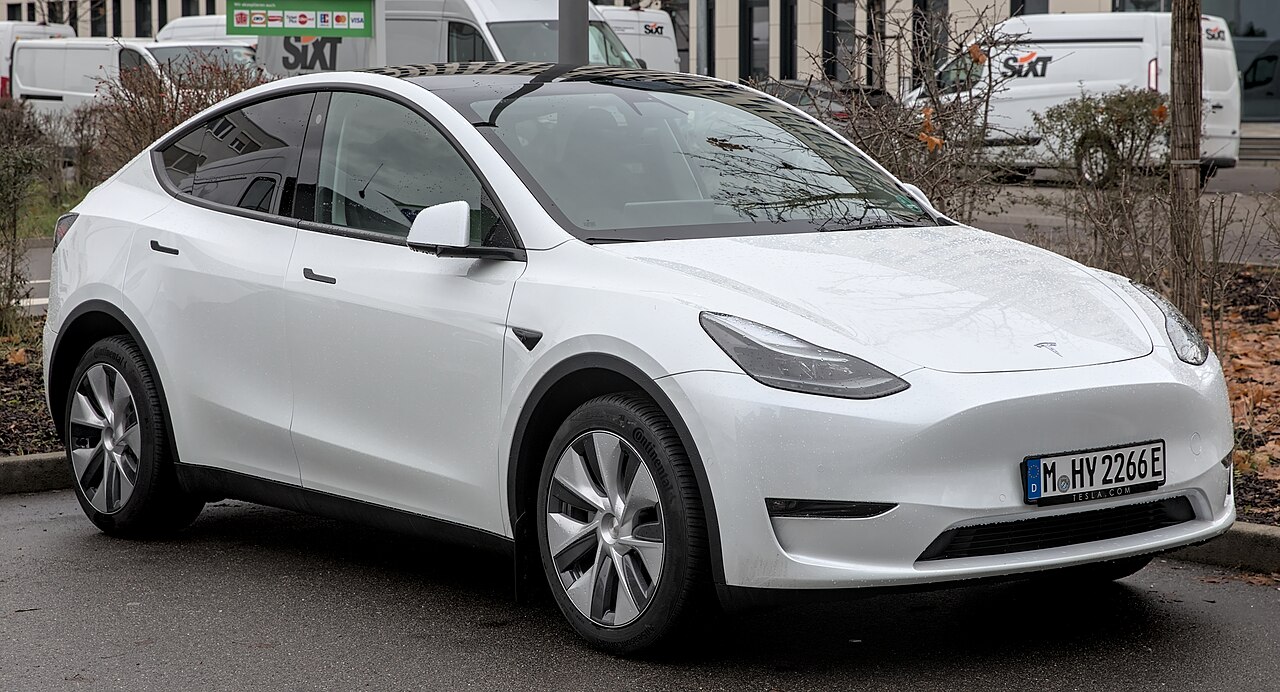
- Model 3/Y: 478,237 delivered — 98.3% of the total
- Other Models: 8,295 delivered — 1.7%
Two vehicle lines carry essentially the entire company. Everything else — Model S, Model X, Cybertruck — together accounts for fewer deliveries in a quarter than Model 3/Y accounts for in a week.
One small detail in the official release is worth noting: operating leases ran at 1% of total deliveries but 4% of Other Models. A higher lease share on the slow-moving lines is the normal signature of pushing harder to move metal — leases lower the monthly number a customer sees. On 8,295 units it changes nothing material. It is a texture point, not a thesis.
The Miss Nobody Led With
Energy storage deployed 13.7 GWh against a consensus of 15.9 GWh — a shortfall of 2.2 GWh, or roughly 14%.
This got far less attention than the delivery beat, and on the day's price action that is understandable. But storage has been the segment the bull case leans on when vehicle growth flattens: higher margin, structurally demand-constrained rather than demand-elastic, and not exposed to consumer incentives. A 14% miss there is a more interesting datapoint than a 5.3% beat on cars, because it lands against the part of the business that was supposed to be the reliable one.
One quarter does not establish a trend in a business with lumpy project timing. It does mean the 21 October financials are the ones to read properly.
What 21 October Will Actually Tell Us
Tesla's own release is unusually blunt about the limits of what was published on 2 October: deliveries and deployments "represent only two measures" and "should not be relied on as an indicator of quarterly financial results."
That caveat is boilerplate, and it is also correct. Volume tells you nothing about what the volume was sold for. The open questions that the delivery number cannot answer:
- Average selling price. Did the inventory drawdown require discounting, and how much?
- Automotive gross margin ex-credits. The structural question, now that US regulatory-credit and consumer-incentive tailwinds have thinned.
- Free cash flow. This is where the 22,141-unit working-capital release should show up — and the figure that will indicate whether the drawdown was managed or forced.
Until then, the honest summary is narrow: Tesla sold more cars than expected, built fewer than it sold, and missed on storage. Whether that was a good quarter is a question the income statement answers on 21 October.