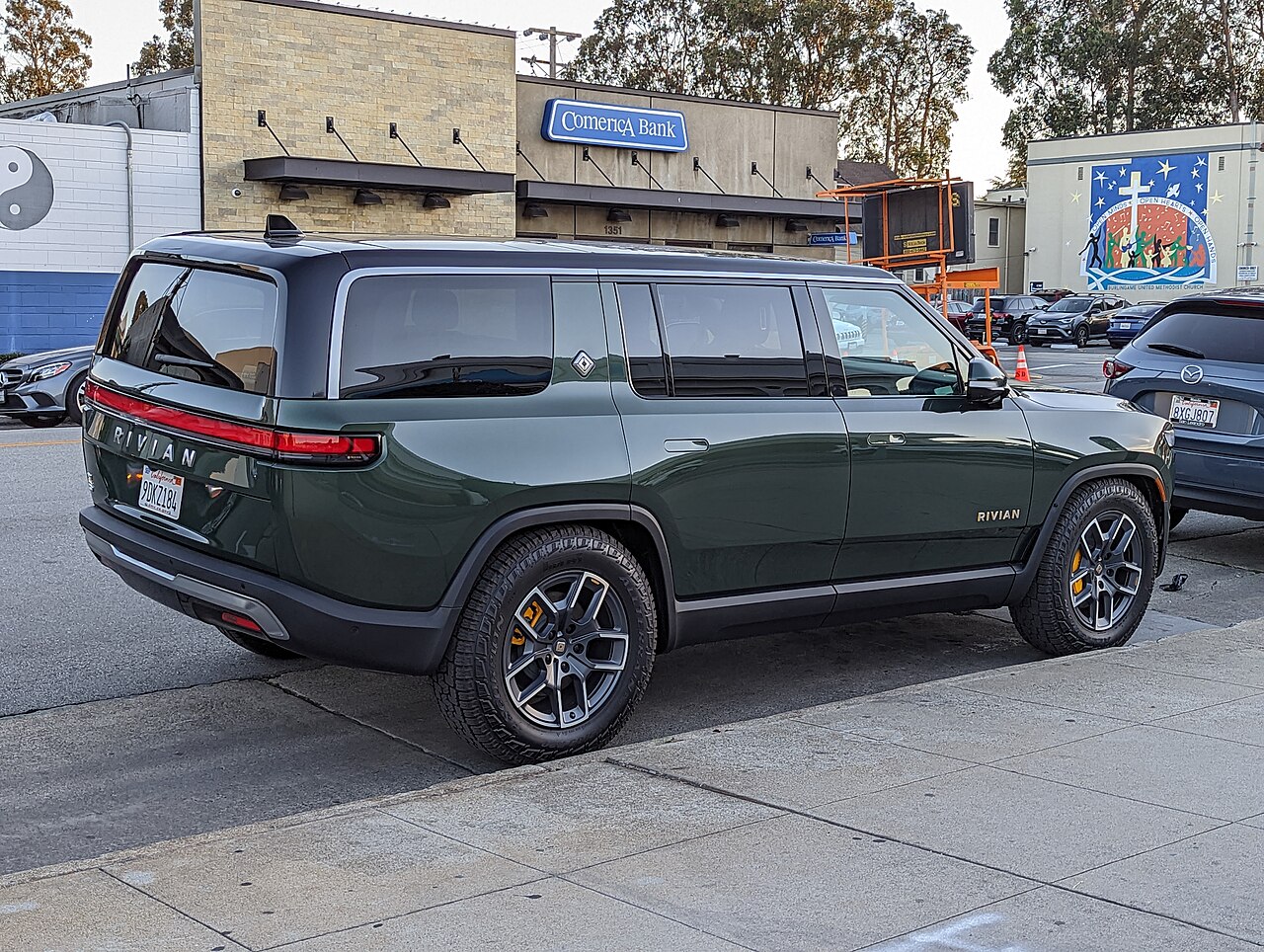
Rivian built 19,751 vehicles in the third quarter and delivered 19,248. Both are the highest quarterly figures in the company's history, and the delivery number came in roughly 1,200 units clear of an analyst consensus of about 18,000.
Year on year it is a 46% increase, against 13,201 in Q3 2025.
The company reaffirmed full-year guidance of 65,000 to 70,000 deliveries and set financial results for 29 October.
The Number Behind the Record
Stack the 2026 quarters and the shape of the year becomes obvious:
- Q1 2026: 10,365 delivered
- Q2 2026: 12,194 delivered
- Q3 2026: 19,248 delivered
- Nine-month total: 41,807
Guidance of 65,000 at the low end therefore requires 23,193 deliveries in the fourth quarter — a 20.5% sequential increase on a quarter that was itself a record by a wide margin. The top of the range, 70,000, requires about 28,200.
That is the real test in this release, and it is not a hostile reading. Rivian's own management guided to a year weighted toward the fourth quarter, and said a second production shift would be running at Normal by the end of Q3. The Q3 output figure is consistent with that shift arriving. But the Q4 ask is still a step up of a fifth on top of a record, in a US EV market that has just delivered a visibly weaker quarter for its two largest players.
A record quarter that leaves you needing a bigger one is not a victory lap. It is a progress report with a deadline attached.
Production Ran Ahead of Deliveries — Which Is the Right Way Round
Rivian built 503 more vehicles than it delivered. Finished-goods inventory went up slightly.
For most of this industry that would be a warning. Here it is not, for two reasons.
First, it is small. Five hundred units on a 19,000-unit quarter is a rounding difference in logistics timing, not a yard filling up.
Second, it is exactly what a Q4-weighted year needs. Deliveries that have to jump 20.5% in three months are easier to hit if some of the vehicles are already built. A modest inventory build going into the final quarter is a cushion, and Rivian is one of very few EV makers this quarter whose stock position moved in the helpful direction.
Compare that with Tesla, which in the same quarter delivered more vehicles than it produced — drawing inventory down by over 22,000 units. Tesla borrowed from its lot to make the quarter look good. Rivian put a little back.
R2 Is Doing the Work, and Only Half of It
The entire step-up traces to the R2, the smaller and cheaper SUV that launched earlier in 2026.
The important qualifier: only the Performance trim is currently available to buyers. That is the expensive version of the cheap car. The volume variants — the ones the whole R2 thesis depends on — are not in customers' hands yet.
This matters for how the Q3 number should be read:
- The ramp is real. 19,248 units with a partial R2 line-up is a genuine manufacturing result, not a channel-fill.
- The price point is not proven. R2's strategic purpose is to sell at a mass-market price. Launching Performance first is standard practice — better margins while yields stabilise — but it means the demand question at the actual target price remains open.
- Mix will get worse before volume gets better. When the lower trims arrive, average selling price falls. Volume should more than compensate. "Should" is carrying weight in that sentence until the 29 October financials show the gross margin.
What to Watch on 29 October
The delivery release is a volume statement and nothing more. Three things in the financials will decide whether this quarter was good or merely large:
- Gross profit per vehicle. Rivian's long-running problem has been building each vehicle for more than it sells for. A record quarter at a negative unit margin scales the loss, not the business.
- R2 cost trajectory. The platform was designed for a materially lower bill of materials. Evidence of that showing up in the numbers is the single most important datapoint of the quarter.
- Any softening of the 65,000 floor. Guidance was reaffirmed on 2 October with the quarter already closed. If the Q4 ask were in doubt, this was the moment to say so, and the company did not.
Why It Matters
Rivian has spent four years being judged on whether it could manufacture at all. On this evidence that question is closing: 19,751 vehicles out of one plant in three months, up 46% on the year, with a second shift running.
The question that replaces it is harder. The company now has to deliver 23,193 vehicles in a single quarter, at a lower average selling price as cheaper R2 trims come on stream, into a US market where incumbent EV demand is flattening. Scaling production was an engineering problem. Scaling it profitably into a slowing market is a business one, and Rivian has not yet shown it can solve that.
Three weeks to the numbers that answer it.