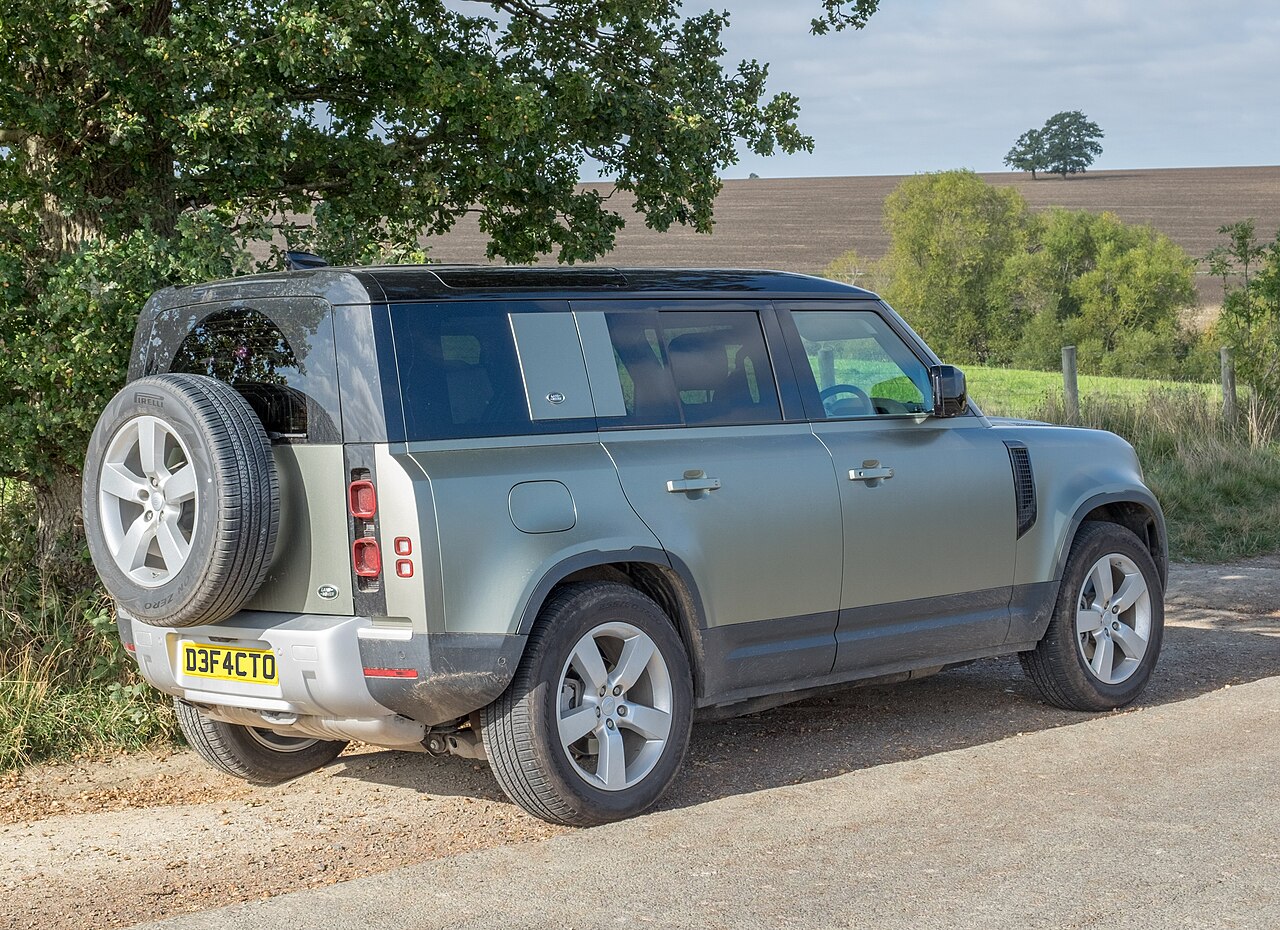
Britain's largest carmaker just confirmed what industry watchers have been dreading: Jaguar Land Rover (JLR) is cutting around 4,000 jobs — roughly 10% of its UK workforce — over the next two years.
The company, which employs between 30,000 and 34,000 people across manufacturing and engineering facilities in Solihull, Wolverhampton, Coventry, and Halewood, confirmed the cuts are part of a structured voluntary redundancy programme designed to eliminate £1.7 billion ($2.3 billion) in structural overhead.
"Years of under-investment, unsustainable regulatory mandates, and surging industrial energy costs have converged on Britain's flagship automaker."
What's Actually Driving This
It is tempting to file this under "another automaker struggling," but the underlying structural specifics matter. JLR is being squeezed from three directions simultaneously:
- A brutal global sales slowdown in core premium segments.
- US import tariffs and currency volatility eating into transatlantic export margins.
- The steep compliance cost of the UK's Zero Emission Vehicle (ZEV) mandate, which currently requires 80% of all new car sales to be zero-emission by 2030.
The UK government has officially ruled out any state bailout. Business Secretary Jonathan Reynolds stated bluntly that it is not the government's job to "intervene and run businesses" — marking a stark shift in tone from an administration that has otherwise championed aggressive green industrial policy.
This stance has triggered open friction. JLR leadership and trade unions have publicly criticized what they characterize as an unviable policy trifecta: rigid 2030 targets, high domestic industrial energy costs, and minimal supply-chain subsidies compared to the US Inflation Reduction Act or China's state-backed battery ecosystem.
There is now growing industry speculation that Whitehall may be forced to soften or delay the 2030 ZEV ramp to relieve existential pressure on domestic manufacturing. If that revision occurs, JLR's job cuts will have shifted UK national EV policy more decisively than years of lobbying.
Why This Isn't Just a British Story
JLR's retrenchment is a real-time preview of a systemic crisis reverberating across the global legacy auto sector. Automakers built on a century of internal combustion engine (ICE) profitability are being mandated to retool entirely for battery electric architectures on an uncompromising timeline — exactly as high electricity tariffs, higher interest rates, and hyper-competitive Chinese EV pricing erode the free cash flows required to fund that multi-billion-pound transition.
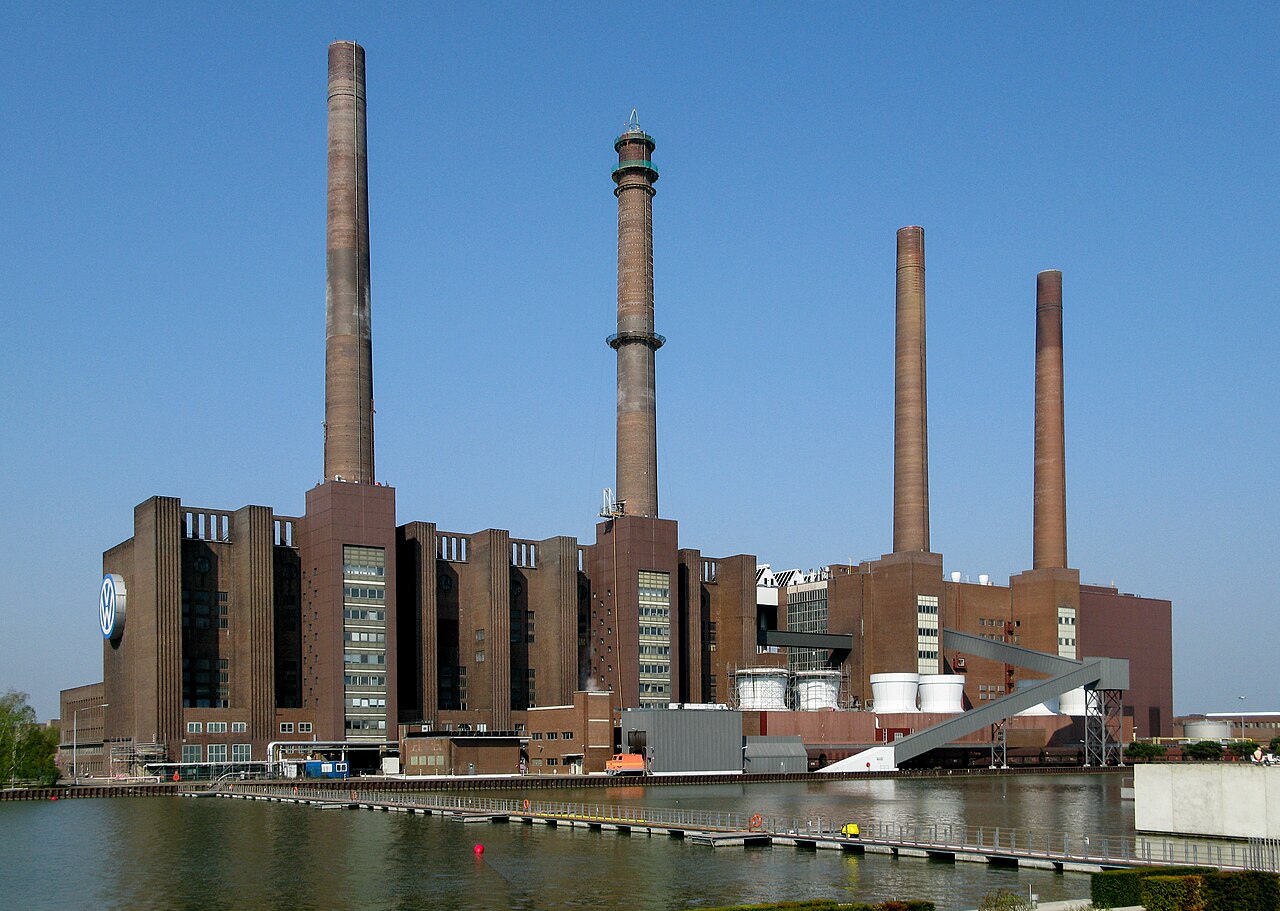
Volkswagen Group's recent 50,000-job European restructuring was the opening salvo; JLR is now the British chapter of that same industrial reality check.
• ZEV Mandate Review: Rising pressure on UK government to soften 2030 thresholds
• Industry Contagion: Elevated risk of secondary supply-chain layoffs across the West Midlands
• Electric Range Rover: Critical execution window for delayed flagship BEV launch
What to Watch Next
- ZEV Target Revision: Whether the UK Department for Business and Trade opens formal consultations to adjust the ZEV ramp rate.
- Supplier Contagion: Whether tier-1 and tier-2 UK automotive suppliers announce corresponding headcount reductions.
- Electric Range Rover Launch: How JLR's delayed battery-electric flagship performs commercially once deliveries commence, as its order book represents the cash-flow engine this restructuring is designed to safeguard.
For now, JLR's cuts are less a company-specific shortfall and more a definitive stress test of whether net-zero automotive mandates can survive direct contact with the legacy industrial base they seek to transform.