The European automotive establishment is enduring its most perilous reckoning since the post-war reconstruction era.
What began a decade ago as dismissive executive commentary toward electric upstarts like Tesla has transformed into a full-scale structural retreat, as legacy giants across Germany, France, and Britain confront an existential margin pincer between American software-driven scale and hyper-efficient Chinese supply chains.
The sheer scale of the retrenchment is staggering: Volkswagen Group finalized terms to eliminate up to 100,000 positions across its European footprint by 2030 — marking the largest planned workforce downsizing in the history of the global automobile industry.
"European automakers are caught between fixed regulatory decarbonization dates and a 30% structural cost deficit against foreign EV competitors."
The Plant Utilization Crisis
European automakers are contending with over 500,000 units of annual excess assembly capacity on the continent. With domestic demand failing to return to pre-pandemic peaks and EV adoption transitioning from early-adopter subsidies to mass-market price sensitivity, factories built for scale are running at deeply unremunerative run-rates:
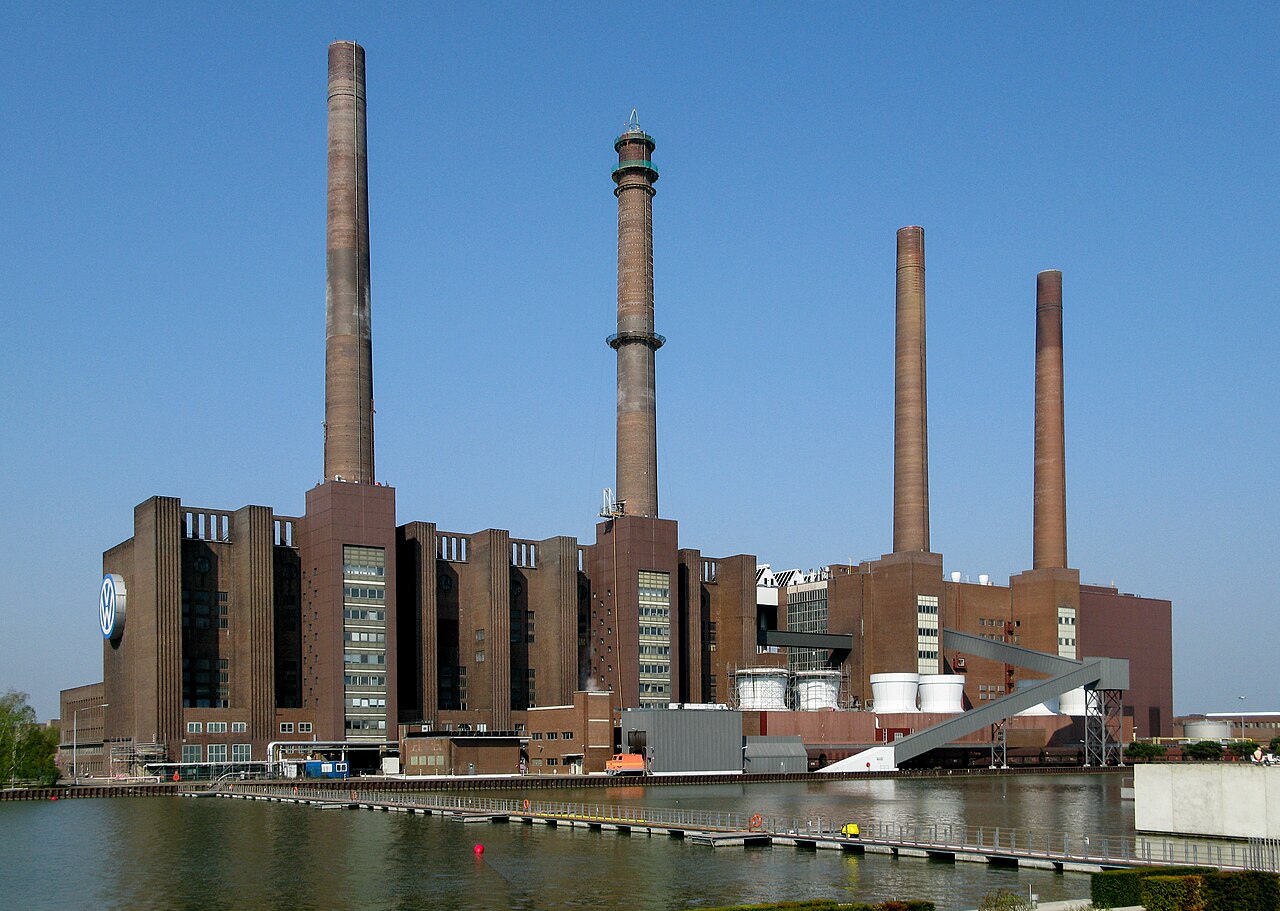
- Volkswagen Plant Insecurity: Key German facilities including Hannover, Emden, Zwickau, and Neckarsulm face uncertain futures, with management refusing to commit to new platform allocations beyond current vehicle lifecycles ending in 2031–2034.
- Jaguar Land Rover & Stellantis Cuts: JLR’s confirmation of 4,000 UK redundancies and Stellantis’s continuous shifts in Italian plant operations reflect identical margin preservation battles.
The Cost Equation: Tesla Agility vs Legacy Bloat
• Global Restructuring Target: 100,000 jobs (Volkswagen Group Europe)
• Energy Overhead Differential: German electricity ~2.5x higher than US/China
• Software Integration Gap: Multi-ECU legacy platforms vs centralized compute
• Excess Capacity: >500k vehicles across central European assembly lines
Legacy OEMs operate under multiple structural handicaps:
- Industrial Energy Tariffs: High European electricity and gas prices inflate battery cell and body-in-white stamping costs.
- Platform Complexity: Traditional makers maintain dozens of overlapping internal combustion, hybrid, and dedicated EV architectures, splitting capital expenditure across dying ICE programs and loss-making battery models.
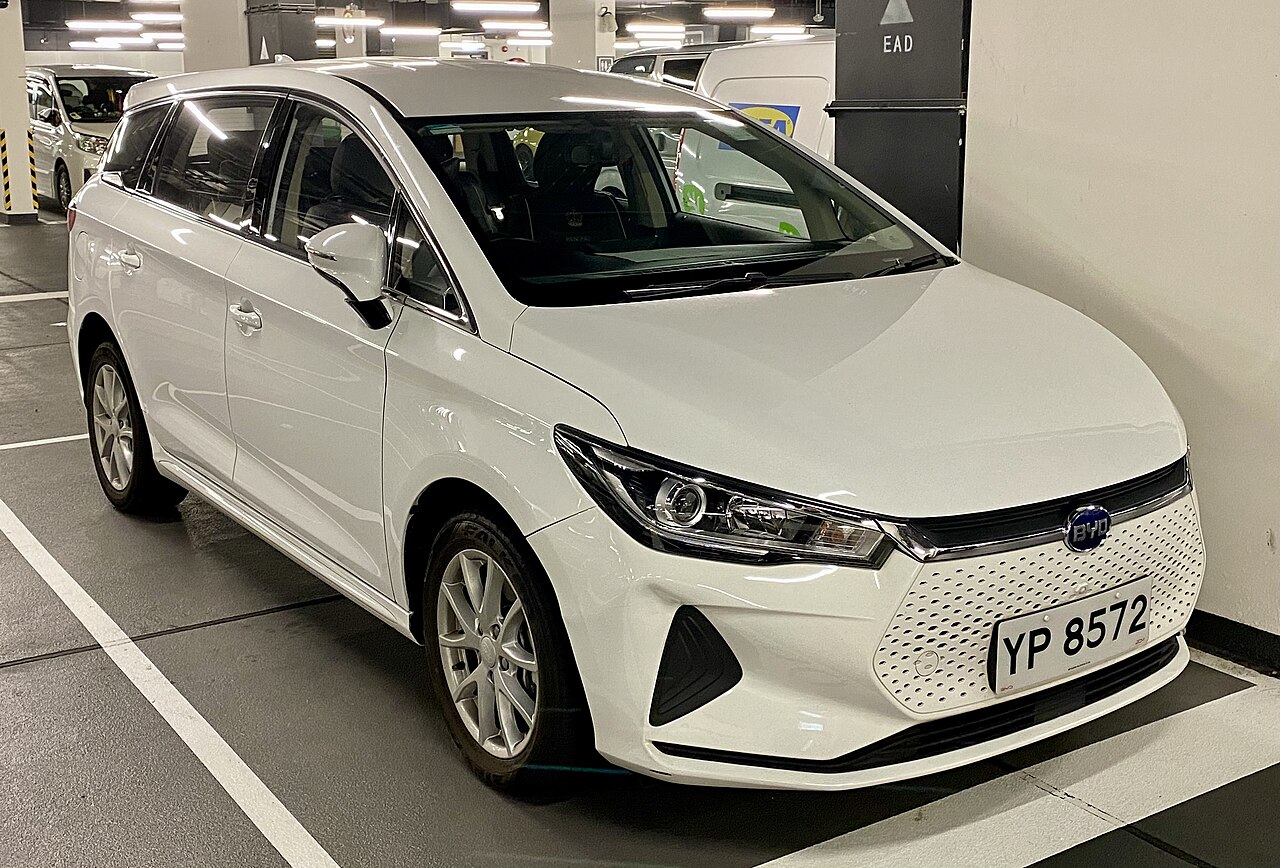
- Price Warfare: While Tesla utilizes centralized gigacastings and agile price cuts to protect volume, and Chinese champions like BYD leverage vertically integrated cell supply chains, European OEMs are forced to discount vehicles below sustainable contribution margins.
The Industrial Policy Crossroads
Brussels and national capitals now face an uncomfortable reality: aggressive emissions mandates like the EU’s 2035 zero-emission target and the UK's 2030 ZEV ramp are accelerating the displacement of domestic manufacturers faster than local supply chains can adapt.
Without radical reductions in industrial energy costs, streamlined bureaucratic overhead, and aggressive localization of cell chemistries, the European auto industry faces a permanent transition from global technology exporter to localized niche assembler.