General Motors announced on 15 September 2026 that Apple CarPlay and Android Auto will be supported in its next-generation infotainment interface, launching first on the 2027 Chevrolet Silverado and 2027 GMC Sierra. Three years after declaring it would phase phone projection out of its entire lineup, GM has reversed course — at least on the trucks.
It is worth being precise about what changed and what did not, because the coverage has largely flattened the two.
What GM Actually Announced
The new interface is a split-screen design. Rather than surrendering the whole display to a projected phone session, CarPlay and Android Auto run in a card window alongside native functions — vehicle status, trailering, drive modes — so the driver isn't swapping between two separate worlds to check tyre pressure while navigating.
The hardware is substantial: the new trucks carry roughly 60 inches of total screen area, including a front-passenger display capable of video streaming. The visual language has been simplified too — high-contrast white-on-black, larger touch targets, quick-access toggles.
GM says it built the approach in collaboration with Apple and Google, which is the detail that matters most. This is not a grudging compatibility layer bolted on under pressure; it is a negotiated integration.
"People really like CarPlay and Android Auto because they're so user-centric. Our next-gen UI brings those together in a cohesive way," said Mike Wahlstrom, GM's executive director of software product management.
The EV Carve-Out Is the Story
Here is the part that gets lost: GM has not said this is coming to its electric vehicles.
GM's EVs run a proprietary infotainment stack with Google Gemini integration and no phone projection — the architecture GM originally intended to push across every vehicle it builds. That stack is, so far, staying exactly where it is.
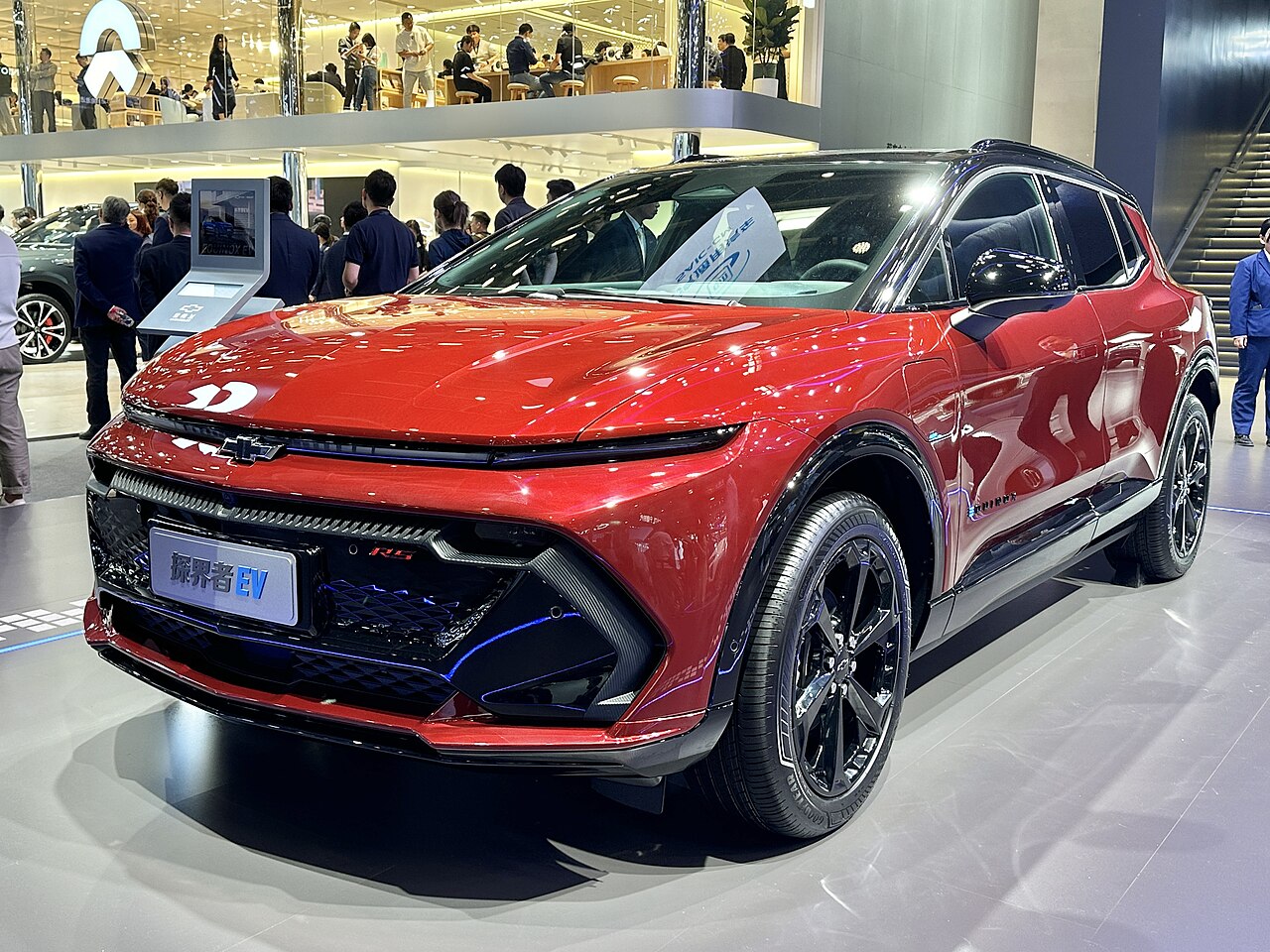
So the reversal is partial and it is segmented. Truck buyers get CarPlay back. Blazer EV and Equinox EV buyers, as things stand today, do not.
That split is not accidental, and it tells you what GM learned.
Why the Trucks and Not the EVs
The original 2023 decision was a software-margin play. Removing phone projection keeps the driver inside GM's own interface, which is where subscription services, connected-vehicle revenue and first-party data live. The strategic logic was never really about a better user experience — it was about owning the screen.
What GM appears to have discovered is that the cost of owning the screen varies enormously by segment.
- In EVs, GM is selling to buyers who are already accepting a new charging routine, a new dealer conversation and a new ownership model. Another unfamiliar interface is one more change inside a purchase that is already full of them — and those buyers skew earlier-adopter and more tolerant of it.
- In full-size pickups, GM is selling to the most loyal, most repeat-purchase, most price-and-habit-sensitive buyer group in the American market — in its single most profitable segment. Silverado and Sierra are not vehicles you experiment on. A feature omission that costs even a few percent of conquest volume there is expensive in a way no subscription attach rate recovers.
GM protected the profit pool and kept experimenting where the volume risk was lower. Read that way, this is not a capitulation so much as a segmentation decision that took three years of market feedback to arrive at.
What It Signals for the Rest of the Industry
The broader lesson lands on every manufacturer currently weighing the same trade-off:
- Phone projection has become table stakes in mainstream, high-loyalty segments. The industry now has a public, expensive demonstration of what happens when you remove it from a truck line.
- The software-revenue thesis survives, but narrowed. GM is not abandoning its native stack or its Gemini integration. It is conceding that the stack has to coexist with the phone rather than replace it.
- Apple and Google gained leverage, quietly. The fact that GM built this with both companies rather than around them is the most consequential line in the announcement.
What to Watch
- Whether the EV carve-out holds. If GM extends split-screen projection to the Blazer EV and Equinox EV within a year, the original strategy is effectively dead. If it doesn't, GM is running a genuine two-track experiment and will have real comparative data.
- Rollout pace beyond the trucks. GM says the interface expands across "electric, gas, and diesel-powered vehicles" — but the sequencing, not the statement, is what reveals priority.
- Whether rivals who followed GM's lead now quietly reverse too. GM went first on removal. It has now gone first on the retreat, which gives everyone else cover.
The plain version: GM spent three years arguing that customers would accept a better native system in place of their phone, and has now conceded the argument in the only segment where losing it would have actually hurt.