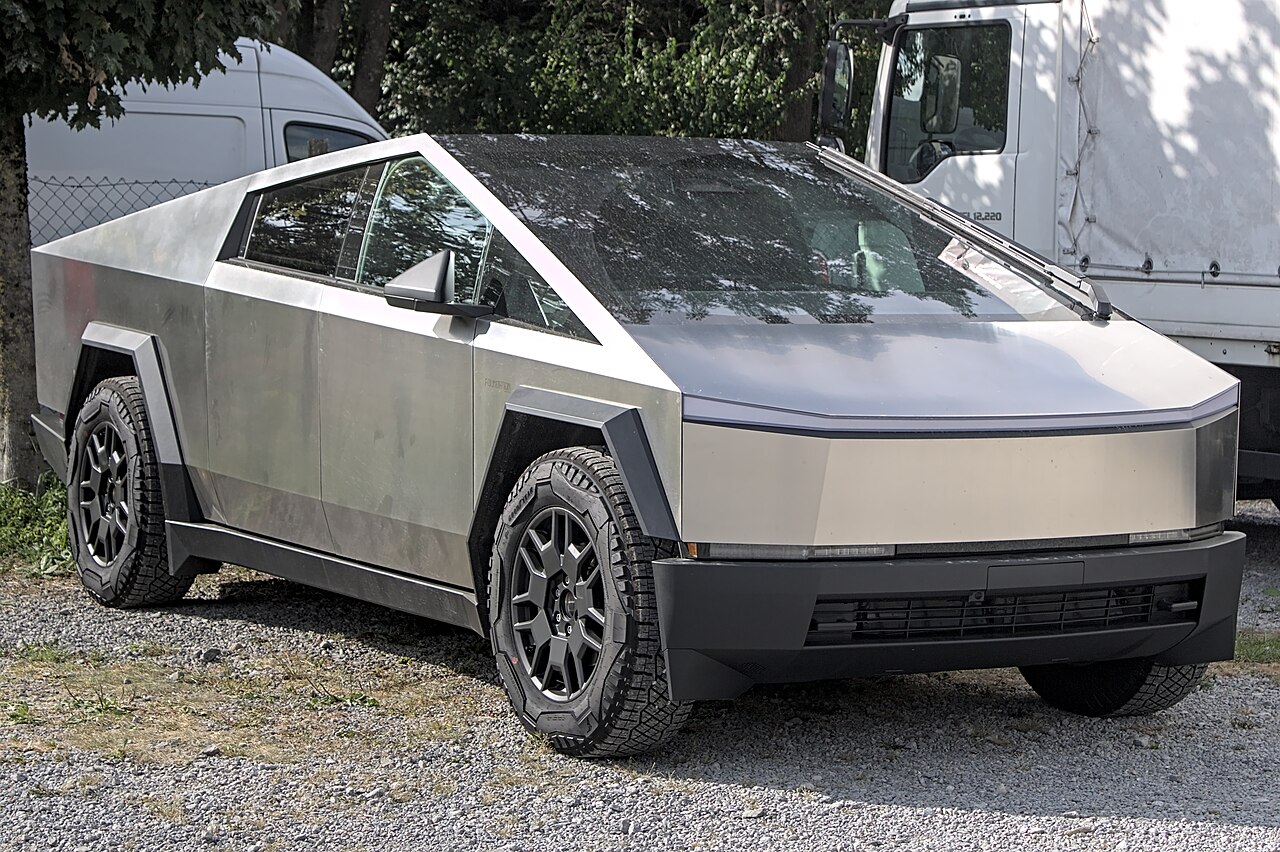
The Tesla Cybertruck’s ultra-hard 30X cold-rolled stainless steel exoskeleton has generated renewed discussion across automotive communities, as owners showcase its rugged resilience in extreme pressure-washing tests, off-road impacts, and low-maintenance daily ownership.
However, the vehicle's unpainted, raw metallic architecture introduces a distinct care philosophy compared to conventional clear-coated automotive paint finishes. Understanding how to clean and maintain this specialized metal is essential to separating viral durability claims from technical reality.
"The Cybertruck's raw stainless steel body eliminates rock chips, clear-coat peeling, and minor door dings entirely. But without clear coat protection, surface contaminants require deliberate, proper remediation."
Demystifying "Rust": Surface Contamination vs. Structural Integrity
Early viral reports frequently mischaracterized cosmetic orange and brown surface speckling as structural "rusting." Metallurgical analysis and official service documentation clarify what is actually occurring:
- Austenitic Alloy Passivation: The 30X series stainless steel alloy develops a microscopic chromium-oxide passive layer that inherently resists structural rust and atmospheric oxidation.
- Environmental Iron Fallout: The cosmetic speckling observed by some owners is caused by airborne iron particles (such as railroad brake dust, industrial fallout, or construction debris) settling onto the metal and oxidizing externally.
- Cosmetic Removal: Because the oxidation exists on top of the steel rather than eating through it, standard detailing clay bars, pH-neutral iron removers, or specialized cleaners (such as Bar Keepers Friend MORE Spray + Foam or denatured alcohol) readily restore the pristine metallic sheen.
• Exoskeleton Yield Strength: Superior dent and ding resistance vs standard automotive steel
• Paint Thickness: 0 microns (raw 30X cold-rolled stainless sheet)
• Chip Resistance: Immune to highway gravel rock chips and clear-coat delamination
• Wash Interval: Immediate removal recommended for tree sap, bird droppings, and road salts
Manufacturer-Specified Pressure Washing Protocols
While online videos often show owners vigorously pressure-washing their Cybertrucks to demonstrate its ruggedness, Tesla’s engineering team outlines specific parameters to safeguard rubber weather-stripping, camera lenses, and electrical harnesses:
- Pressure Threshold: Keep pressure washer output strictly at or below 1,900 PSI.
- Stand-off Distance: Maintain a minimum clearance of 12 inches (30 cm) between the spray wand nozzle and any vehicle surface.
- Continuous Motion: Never focus a concentrated high-pressure jet on stationary points, particularly around window seals, motorized tonneau cover tracks, or forward-facing camera housings.
- No Abrasive Brushes: Avoid automatic mechanical car washes utilizing heavy abrasive brushes, which can leave non-uniform scuff patterns across the directional grain of the stainless panels.
Long-Term Maintenance and Wrap Options
For owners who prefer zero cosmetic maintenance, Tesla and aftermarket specialists offer factory color and clear satin paint-protection wraps (PPF). These polyurethane wraps provide a sacrificial barrier against fingerprints and mineral water spots while preserving the angular aesthetic.
Ultimately, for fleet operators and utility drivers, the absence of vulnerable paint layers translates into significant long-term maintenance savings, establishing the cold-rolled exoskeleton as one of the most durable production truck bodies ever commercialized.