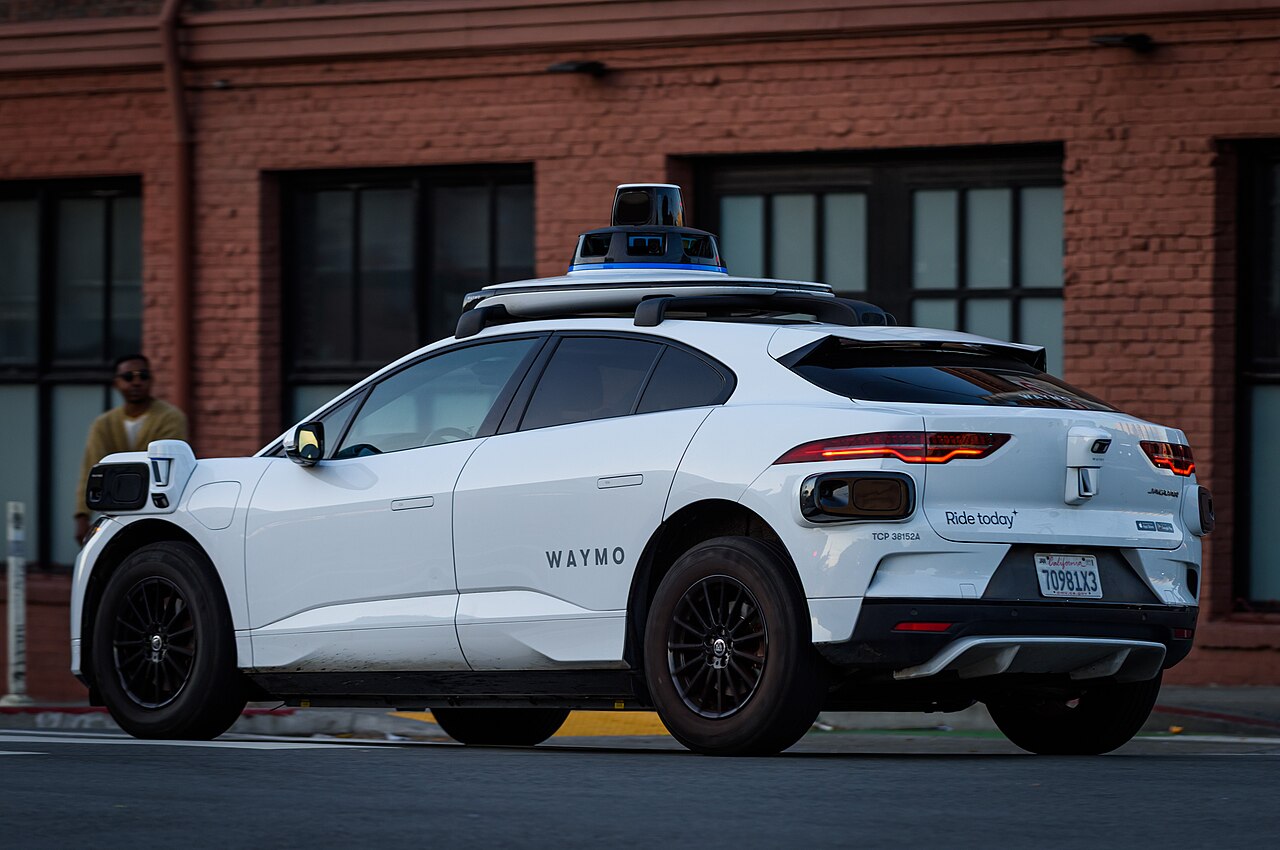
The emergence of dedicated autonomous robotaxi fleets — led by Tesla’s Cybercab in Austin and Waymo’s expanding commercial footprint — is triggering a fundamental rethink of passenger safety and corporate liability in the urban mobility sector.
While public debate around autonomous vehicles (AVs) has historically centered on collision prevention and pedestrian detection, an equally profound narrative is gaining traction among consumers and legal scholars: the structural elimination of human-driver physical risks that have long plagued traditional Transportation Network Companies (TNCs) like Uber and Lyft.
"Autonomous mobility does not merely replace a steering wheel with software — it fundamentally restructures passenger security by removing human interpersonal vulnerability from the enclosed vehicle equation."
The Legal Shadow Over Traditional Rideshares
For over a decade, legacy ride-hailing platforms have contended with systemic passenger safety controversies and mounting civil litigation.
In the United States, thousands of passenger claims have been consolidated in federal Multi-District Litigation (In re: Uber Technologies, Inc., Passenger Sexual Assault Litigation, MDL No. 3084 in the US District Court for the Northern District of California). Plaintiffs allege that gig-economy vetting procedures, automated background check workflows, and decentralized contractor oversight failed to protect vulnerable riders from physical assault and harassment:
• Consolidated Litigation: >2,000 active federal cases alleging inadequate passenger protection
• Core Structural Dilemma: Independent contractor employment model vs. direct platform supervision
• Legacy Mitigation Attempts: In-app emergency buttons, audio recording opt-ins, biometric driver verification
• Consumer Sentiment: Heightened vulnerability reported by solo female, late-night, and intoxicated passengers
The Driverless Safety Architecture: Cybercab & Robotaxi Isolation
Purpose-built robotaxis like the Tesla Cybercab dismantle this vulnerability at an architectural level. By operating with zero human driver, the physical interior transforms into a private, sealed sanctuary where passenger-driver conflict is physically impossible:
- Absolute Interpersonal Privacy: Passengers occupy an isolated cabin equipped with continuous interior optical telemetry, remote two-way emergency dispatch links, and automated door-locking protocols.
- Predictable Behavioral Protocols: Autonomous vehicles adhere strictly to programmed routes and designated well-lit pickup/drop-off zones, preventing unauthorized detours.
- Dedicated Emergency Response: If a passenger experiences a medical or personal emergency, direct telemetry routes the vehicle immediately to the nearest hospital or emergency services outpost.
The Counterweight: Algorithmic Vulnerabilities & NHTSA Scrutiny
However, replacing human drivers with software does not eliminate risk; it replaces interpersonal vulnerability with complex algorithmic and engineering challenges:
- Edge-Case Navigation & Phantom Braking: AVs can struggle in rare edge-case scenarios, such as anomalous construction detours, downed power lines, or aggressive human-driven traffic maneuvers.
- Sensor Occlusion in Adverse Weather: Ensuring vision and sensor suites operate without blind spots during severe downpours or heavy fog requires robust redundancy.
- Federal Regulatory Audits: The National Highway Traffic Safety Administration (NHTSA) is currently auditing self-certification documentation for driverless vehicles, evaluating whether purpose-built platforms without steering wheels or pedals adequately satisfy Federal Motor Vehicle Safety Standards (FMVSS).
| Safety Dimension | Legacy Human-Driven TNCs (Uber / Lyft) | Autonomous Robotaxis (Cybercab / Waymo) |
|---|---|---|
| Primary Safety Risk | Driver conduct, assault, distraction, fatigue | Algorithmic edge cases, sensor degradation, cyber security |
| Legal Liability Model | Independent contractor negligence defenses | Direct OEM and software developer product liability |
| Passenger Isolation | Shared interior with stranger / driver | 100% Private, driverless enclosed cabin |
| Route Adherence | Subject to human deviation or wrong turns | 100% Deterministic GPS & neural path-planning |
The Future of Fleet Liability
As autonomous ride-hailing expands, the legal paradigm is shifting from driver screening negligence to strict software and manufacturing accountability.
For urban commuters, particularly women and night-shift workers seeking secure late-night transit, the promise of a driver-free, private cabin represents a transformative leap in personal security — accelerating the transition toward autonomous mobility.