A catastrophic multi-car collision and inferno during the China GT Championship round at the Shanghai International Circuit has ignited fierce international scrutiny over trackside safety standards, marshal training, and emergency medical protocols in regional GT racing.
Approximately 20 minutes into the main race on September 5, 2026, a mid-field collision triggered a chain reaction that sent British GT driver Ollie Millroy’s Ferrari GT3 spearing into barrier rebound, where it was heavily t-boned by oncoming traffic. The violent impact instantly ruptured the fuel cell system, engulfing the cockpit in flames while Millroy remained trapped inside.
What followed has both transfixed the global motorsport community and exposed grave systemic vulnerabilities in event organization.
"Had another driver not stopped his race car, grabbed an extinguisher, and pulled me through the flames, this report would be a tragedy."
The Heroic Intervention of Loek Hartog
With trackside fire marshals visibly absent and failing to intervene at the crash apex, Dutch competitor Loek Hartog deliberately stopped his car, abandoned his race, and ran directly toward the blazing wreckage.
Grabbing a dry-powder fire extinguisher, Hartog suppressed the cockpit flames and manually extricated Millroy from the crushed roll cage.
Millroy was rushed to hospital suffering from severe injuries including multiple rib fractures, a shattered collarbone, broken hand and finger bones, and a contused lung, but is currently stable following emergency surgery. Millroy and his team have publicly credited Hartog with saving his life.
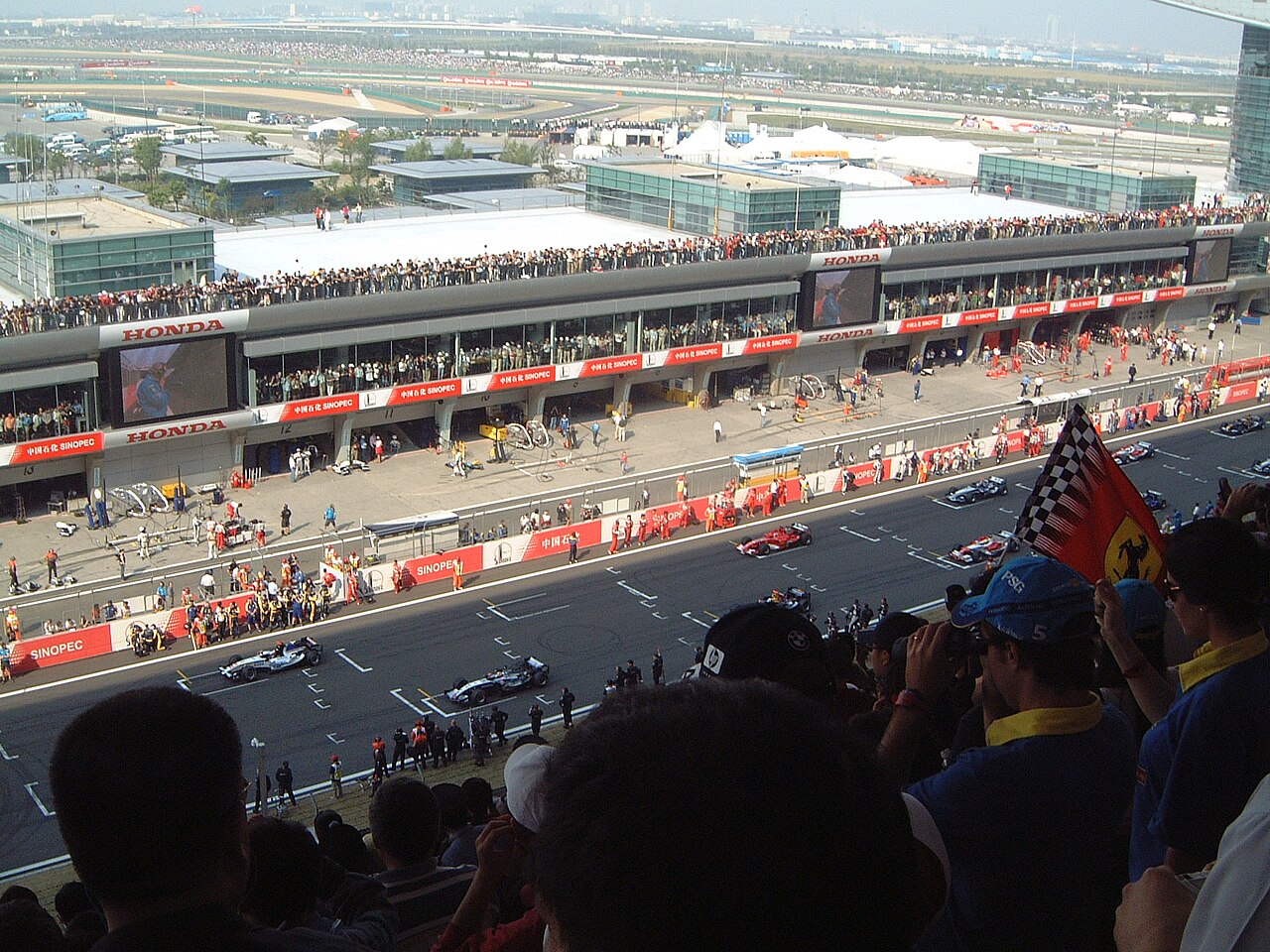
• Location: Turn 6, Shanghai International Circuit (Grade 1 FIA homologated)
• Key Incident: High-speed fuel fire with trapped driver
• Critical Heroism: Driver Loek Hartog stopped to perform manual extraction
• Safety Deficit: Delayed trackside marshal deployment & ~15 min medical vehicle response
Outcry Over Trackside Marshaling & Staffing
The incident has unleashed blistering condemnation from FIST Team AAI and competing international outfits over the management and staffing choices of the event organizers:
- Untrained Day-Rate Marshals: Eyewitness video and team telemetry confirmed that trackside personnel stationed at the turn lacked basic high-temperature fire suits and fled the initial impact instead of deploying foam suppression systems.
- Medical Vehicle Dispatch Delays: Despite the high-speed impact and blaze, the on-track medical intervention vehicle and ambulance reportedly took nearly 15 minutes to reach the extraction zone.
- Premature Post-Incident Hearings: Teams expressed outrage that race stewards initially summoned drivers for sporting arbitration before medical staff had even established the clinical condition of the hospitalized driver.
Official Inquiries & FIA Repercussions
In an official communiqué, the China GT Organizing Committee formally acknowledged "serious shortcomings in emergency coordination and response times," apologizing to teams and pledging an overhaul of safety operations.
As national championships expand across Asia-Pacific under FIA regional banners, the Shanghai incident is expected to prompt stricter FIA audits on marshal accreditation, requiring verified motorsport fire-rescue certification rather than outsourced day-rate labor.