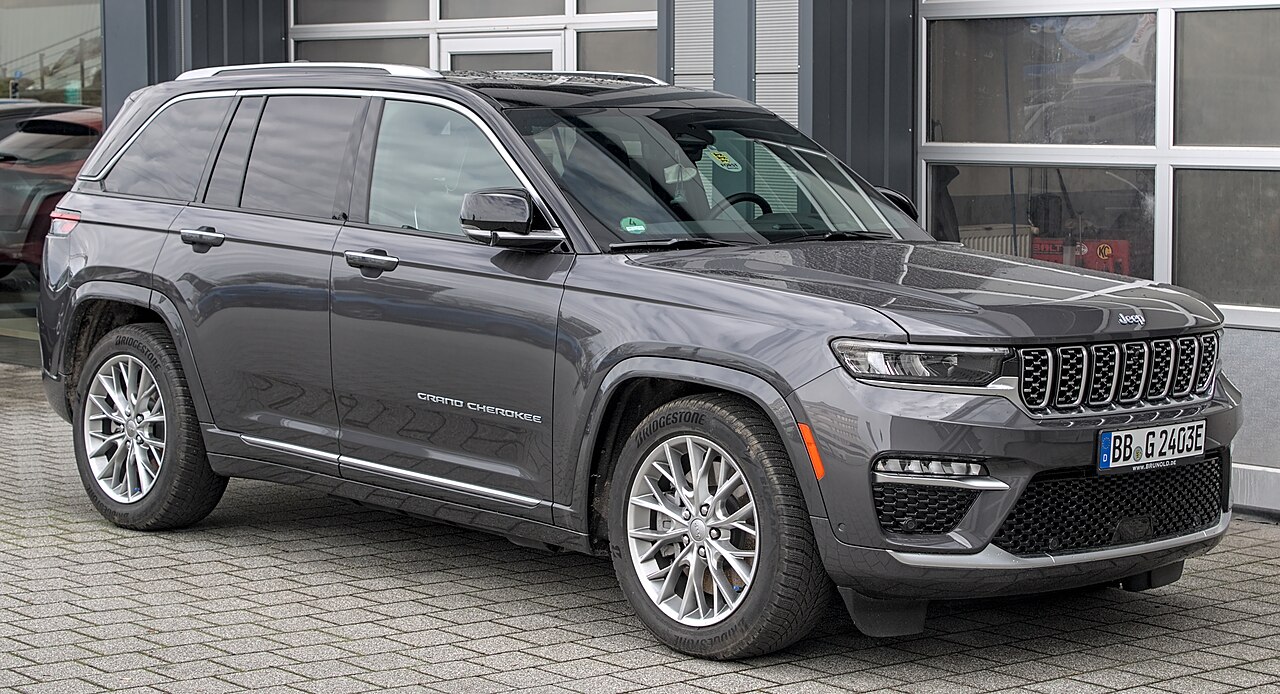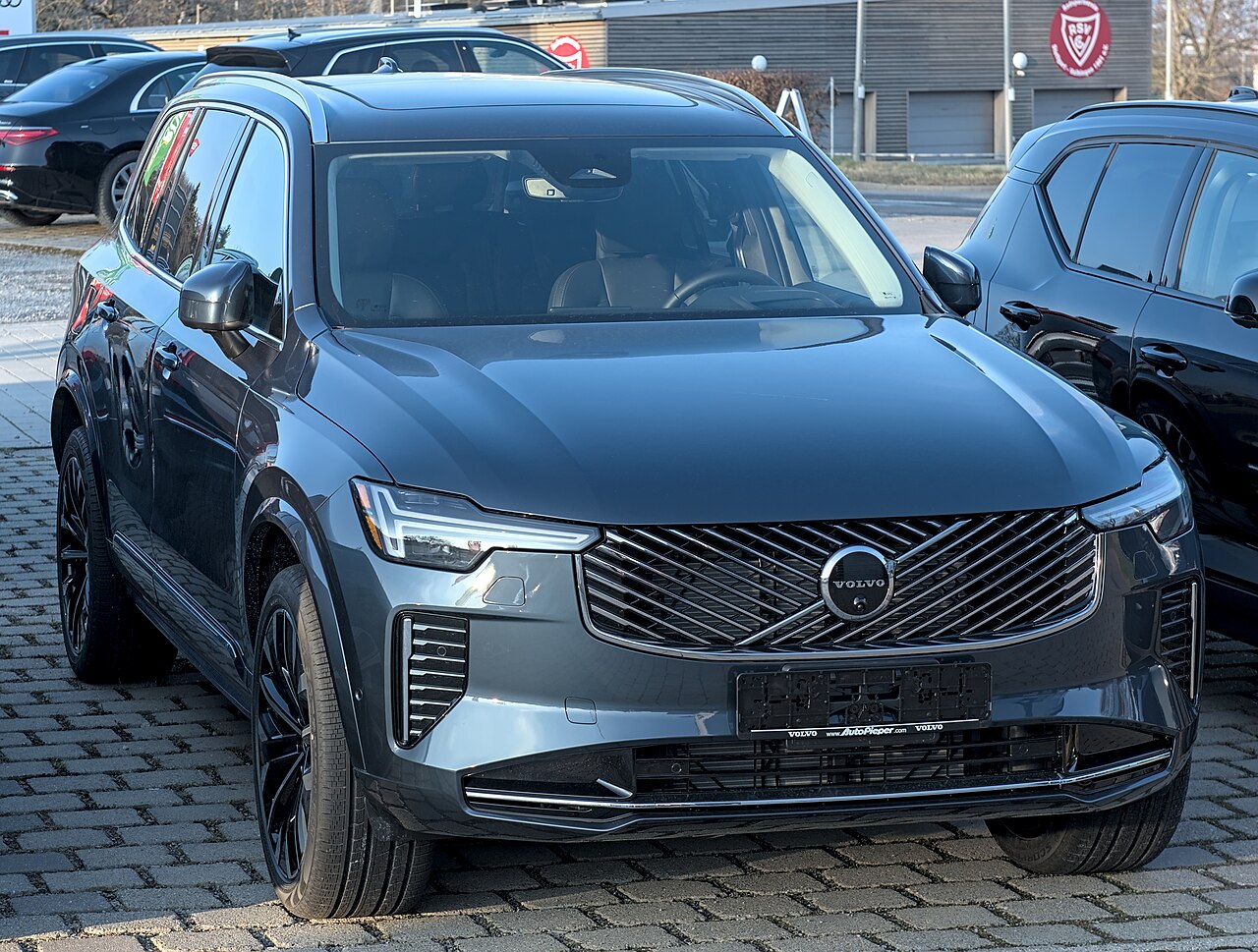
Volvo Cars told investors in Stockholm on 17 September 2026 that it will launch 13 all-new models by the end of 2030 and lift its EBIT margin beyond 8% — against 3.5% reported for 2025.
The model count is the headline. The split underneath it is the actual strategy: seven cars for Western markets, six for China, engineered on different technical foundations, for different customers, with no pretence that they are the same product.
The End of the Global Car
For twenty years the premium playbook was a single global platform amortised across every region. Volvo has now formally abandoned that.
Western-market cars will use SPA2 and SPA3 architectures with the in-house HuginCore computing platform. Chinese cars will be co-developed with parent company Geely, on shared Geely Group platforms.
That is not a cost-cutting compromise dressed up as strategy. It is an admission that the Chinese premium buyer and the European premium buyer now want measurably different cars — different software expectations, different cabin priorities, different price-to-content curves — and that serving both from one architecture means serving neither well.
CEO Håkan Samuelsson put the consequence plainly: "Our showrooms will look very different in 2030. This is our strongest product pipeline ever, tailored to regional needs."
Volvo is not building one line-up and localising it. It is building two line-ups and sharing the parts bin.
Where the Margin Actually Comes From
Going from 3.5% to above 8% EBIT is a substantial jump, and Volvo was specific about the mechanism rather than leaving it to ambition.
- Parts commonality across the Geely Group rises from roughly 10% today to around 30% by 2030, which Volvo expects to deliver approximately 5% material cost savings
- Fewer, older-but-amortised platforms. Building on SPA-based and hybrid architectures rather than funding fresh clean-sheet platforms cuts per-model investment
- Reduced customisation. The commercial model moves toward simplified specification and transparent pricing rather than an options matrix
- Lower corporate overhead, with a shift in emphasis from the vehicle sale alone to bundled ownership — over-the-air updates and inclusive Care packages
Three of those four are cost levers, not revenue levers. That is the honest read of this plan: the margin improvement is substantially an engineering and procurement story, and the market-share ambition sits on top of it.
Not All Electric — And Not All SUVs
Two departures from recent Volvo orthodoxy are worth flagging.
The portfolio is a mix of full EVs and third-generation hybrids. Volvo's earlier all-electric-by-2030 framing has been quietly replaced by a two-track powertrain strategy. Given what the last eighteen months have done to European EV demand curves and to every OEM that bet the line-up on a single powertrain, this is the correct call, arrived at later than it should have been.
The line-up expands beyond SUVs. Volvo signalled entry into new segments, with sedans and estates back in scope after years of an SUV-dominated range. A new concept car in 2027, under chief design officer Thomas Ingenlath, will preview the design language.
Reading the Deglobalisation Framing
Volvo's own framing of all this is notable. Rather than treating tariffs, technology restrictions and diverging regional preferences as headwinds to be weathered, the company is presenting regionalisation as the strategic opportunity itself.
That framing is convenient — but it is also roughly correct. Volvo is one of the few Western premium brands with a genuine Chinese parent, Chinese engineering access and a Chinese manufacturing base. In a fragmenting trade environment, being structurally bi-regional is an asset that BMW and Mercedes-Benz cannot simply buy.
The same structure is the exposure, of course. A Western brand whose Chinese line-up is Geely-derived has to keep those six cars clearly Volvo, or the premium positioning that justifies the price erodes from the inside.
Why It Matters
Thirteen cars in four years is an execution problem, not a strategy problem. The plan as described is sound: regionalise the product, share the components, stop funding platforms you cannot amortise, and sell ownership rather than metal. Very little of that is controversial.
What is unproven is throughput. Volvo is committing to a launch cadence of roughly three all-new cars per year, across two technical ecosystems, while simultaneously compressing cost and rebuilding its commercial model. Each of those is individually achievable. Together, they leave no slack.
The number to watch is not 13, and it is not 8%. It is whether the 2027 launches arrive on time — because that is the first year in which this plan can be measured against anything other than a slide.