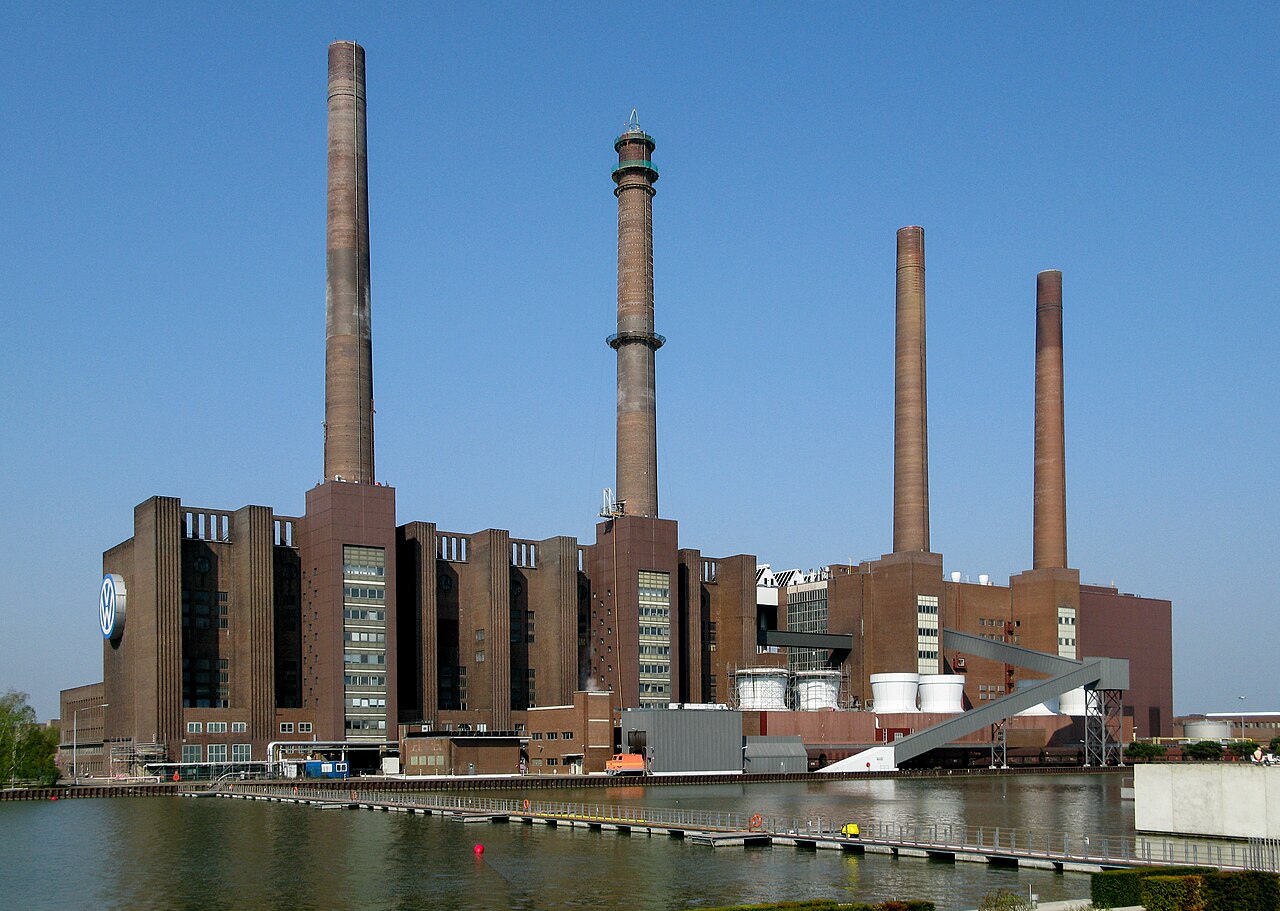
Volkswagen did not announce a wage cut on 30 September. It announced an expiry date.
The company confirmed it is terminating several collective agreements with effect from 31 December 2026. Nothing changes for anyone's pay packet that day. What changes is the legal architecture around it — and specifically, what IG Metall is permitted to do on 1 January 2027.
The Mechanism, Not the Headline
German collective bargaining carries a peace obligation. While an agreement is in force, the union that signed it cannot lawfully call industrial action over its subject matter. That obligation is not a gesture of goodwill; it is the consideration the employer receives for signing.
Terminate the agreement, and the obligation terminates with it.
So the date that matters in Volkswagen's announcement is not 31 December. It is the morning after. From 1 January 2027, strikes at Volkswagen become lawful for the first time since the 2024 settlement — and Volkswagen has chosen, deliberately and in public, to be the party that set that clock running.
This is a known move with a known cost. It converts an open-ended negotiation into one with a deadline attached, and it hands the union a weapon it did not previously have. Employers make it when they judge that the status quo is more expensive than the risk.
Volkswagen did not lose its peace obligation. It gave it away, on purpose, to put a deadline on talks it was not winning.
What Was Carved Out — and Why That Matters
The official release is precise about one exclusion. The collective agreement for the future, "including its job security provisions," is "expressly excluded from these measures."
Those provisions run to 2030. They are the job-security guarantees that came out of the bruising 2024 round — the round that already covered 35,000 job cuts.
Read the carve-out as a signal rather than a concession. Volkswagen is not reopening the question of whether it can make compulsory redundancies in Germany. It is reopening the question of what it pays the people who remain. The headcount path is settled policy; the cost per head is the live dispute.
That distinction is also what makes the union's position awkward. IG Metall cannot frame this as a threat to job security, because the job-security clauses are the one thing management has pointedly left alone.
The Gap Between the Two Positions
The numbers on the table:
- IG Metall's demand: 5%. Volkswagen rejected it as incompatible with current conditions.
- Volkswagen's framing: structural, not cyclical. Meiswinkel's phrase is that the shift of the past 18 months is "structural in nature and deep-reaching."
- Next round: second half of October 2026. Roughly ten weeks before the peace obligation lapses.
The word doing the work in the company's statement is structural. A cyclical downturn argues for restraint and a catch-up later. A structural one argues that the old cost base is simply never coming back — and that is the case for resetting agreements rather than rolling them over.
IG Metall's reply, via negotiator Thorsten Groeger, was that he was "very disappointed" management could not discuss the 2024 guarantees, while acknowledging the situation was difficult. That is a notably restrained public line from a union that elsewhere described the action as a war on the workforce. Works council chief Daniela Cavallo sits on the other side of the table.
The Competitive Case Volkswagen Is Making
The official rationale names its causes in order: "geopolitical tensions, trade barriers and increasing competition, primarily from China." Meiswinkel's specific version is that Chinese manufacturers are "increasingly pushing into Europe with competitively priced exports."
This is now the standard European argument, and it is not a rhetorical one. The pressure is arriving as landed price in the same showrooms, on the same segments, against a German cost base built for a market that was not being contested from outside.
Volkswagen's answer is the Group Target Picture 2030 plan, with its stated aim of "socially responsible headcount reduction." The wider overhaul contemplates tens of thousands of reductions beyond the 2024 figure and the closure of up to four German production sites.
Set against the group's own guidance — a margin target cut to around one percent — the labour-cost question stops being a negotiating preference and starts being arithmetic. At one percent, there is no buffer from which to fund a 5% wage settlement.
What to Watch
Three things, in order of information value:
- Whether the October round produces a framework. If it does, the 1 January date becomes a formality nobody tests. If it does not, both sides spend December preparing for a January that neither wants.
- Whether IG Metall formally links the dispute back to job security. Management's carve-out is designed to prevent exactly that. If the union finds a way to merge the two anyway, the dispute widens from pay to the whole 2030 settlement.
- Whether other German employers follow. A tier-one supplier or a second OEM terminating agreements on the same reasoning would turn a Volkswagen dispute into a sector precedent — and that is a materially different negotiation.
The thing to hold onto is that nothing has broken yet. Volkswagen has not cut pay, closed a plant this week, or missed a payroll. It has started a clock, in public, with the union watching — and given itself roughly ten weeks to make the clock irrelevant.