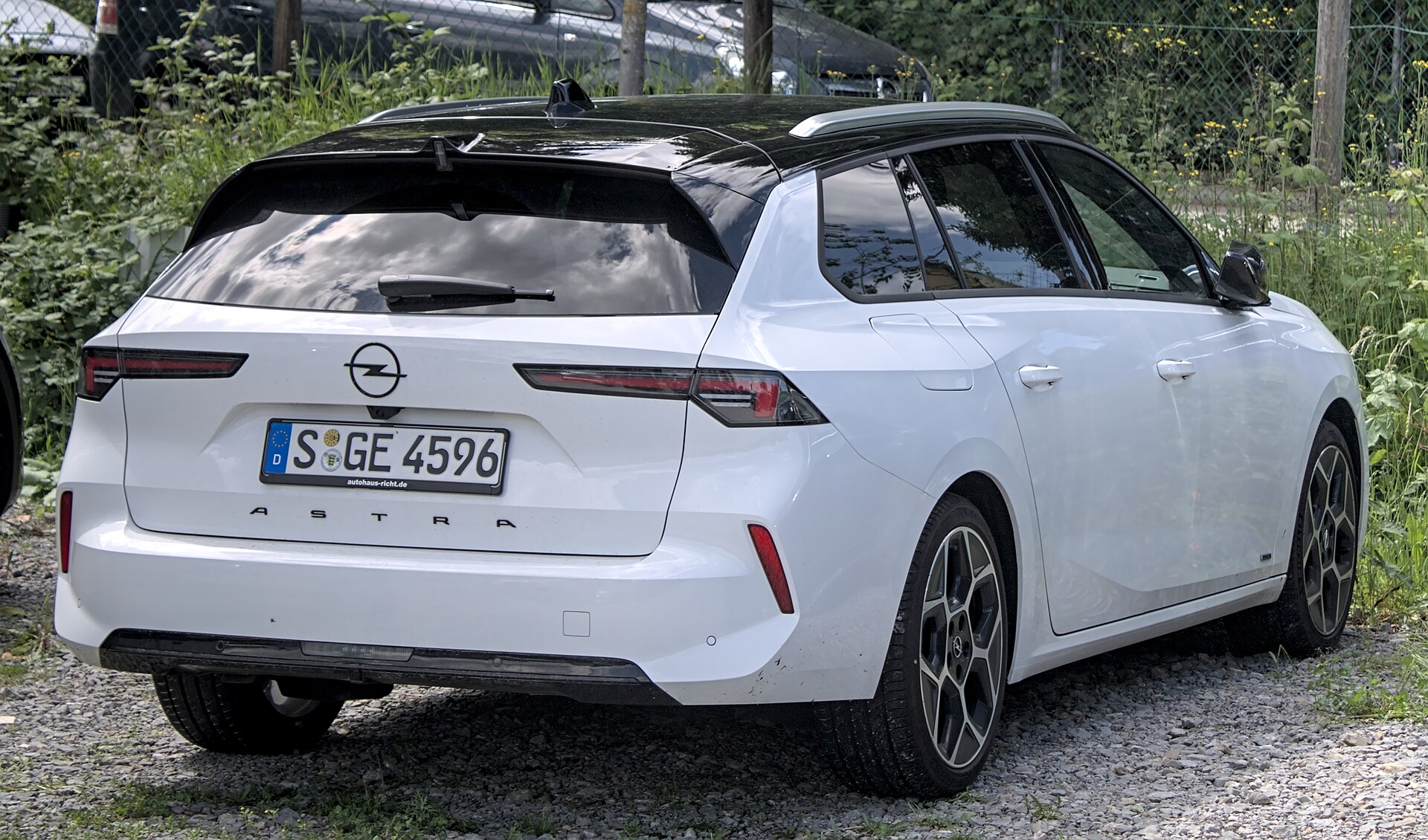
Before ordering a roof box or bicycle carrier, identify the exact car and the complete mounting system it needs. A roof rail visible in a photograph is not enough to establish compatibility or a load rating.
Start with the manual for your model, model year and roof configuration, then obtain the instructions for the carrier, crossbars and mounting kit. If those documents do not clearly describe the intended combination, ask the manufacturers to confirm it before buying.
Read every applicable limit
As a vehicle-specific example, Volvo’s 2016 S60 guidance tells owners to respect both the vehicle’s roof rating and the rack manufacturer’s weight limit. Its numerical rating belongs to that vehicle; it is not a universal allowance for saloons, estates or SUVs.
Write down what each limit includes. Does a quoted figure cover cargo alone or the entire installed assembly? Record the weight of the bars, mounting hardware, box or carrier and luggage. Where the vehicle’s stated roof allowance includes the whole assembly, subtract those equipment weights before calculating the remaining cargo allowance. Also check the vehicle’s overall loading limits. Resolve unclear wording with the manufacturer rather than selecting the largest number.
Make a loading sheet
Keep a simple list of the equipment, its empty weight, the luggage weight and the source of each limit. For example, if your own instructions explicitly allow 75 kg for the complete assembly and your equipment weighs 20 kg, the arithmetic leaves 55 kg before considering any lower component limit. These figures are hypothetical, not permission to load a particular car.
Recheck the list when adding an accessory or changing vehicles. Do not treat a stationary rooftop-tent rating as permission to carry the same weight while driving; seek explicit instructions for the proposed use.
Check installation and the journey
Volvo advises distributing loads evenly, securing them appropriately and periodically checking the carriers and cargo. It also notes that roof loads change handling and wind resistance. Follow your equipment’s installation, speed and rechecking instructions, including any required tightening procedure.
Measure the vehicle’s new total height and keep it visible to the driver before entering covered parking. Check hatch and sunroof clearance using the equipment instructions. If the roof arrangement cannot be confirmed, move the luggage plan back inside the car and reassess capacity.
Before departure, use the car’s loading guidance when checking cold tyre pressure. A well-organised trip starts with a verified combination of car, carrier and cargo, rather than a visual guess about what will fit.