Cold weather changes an EV journey plan, but it does not justify subtracting one fixed percentage from every car’s advertised range. Start with the vehicle’s instructions, the forecast and the route you actually intend to drive.
FuelEconomy.gov explains that cold conditions affect battery performance and that cabin heating consumes additional energy. It also notes that the effect varies by model. Its published test results should not be treated as a precise prediction for a different car, temperature or journey.
Prepare before departure
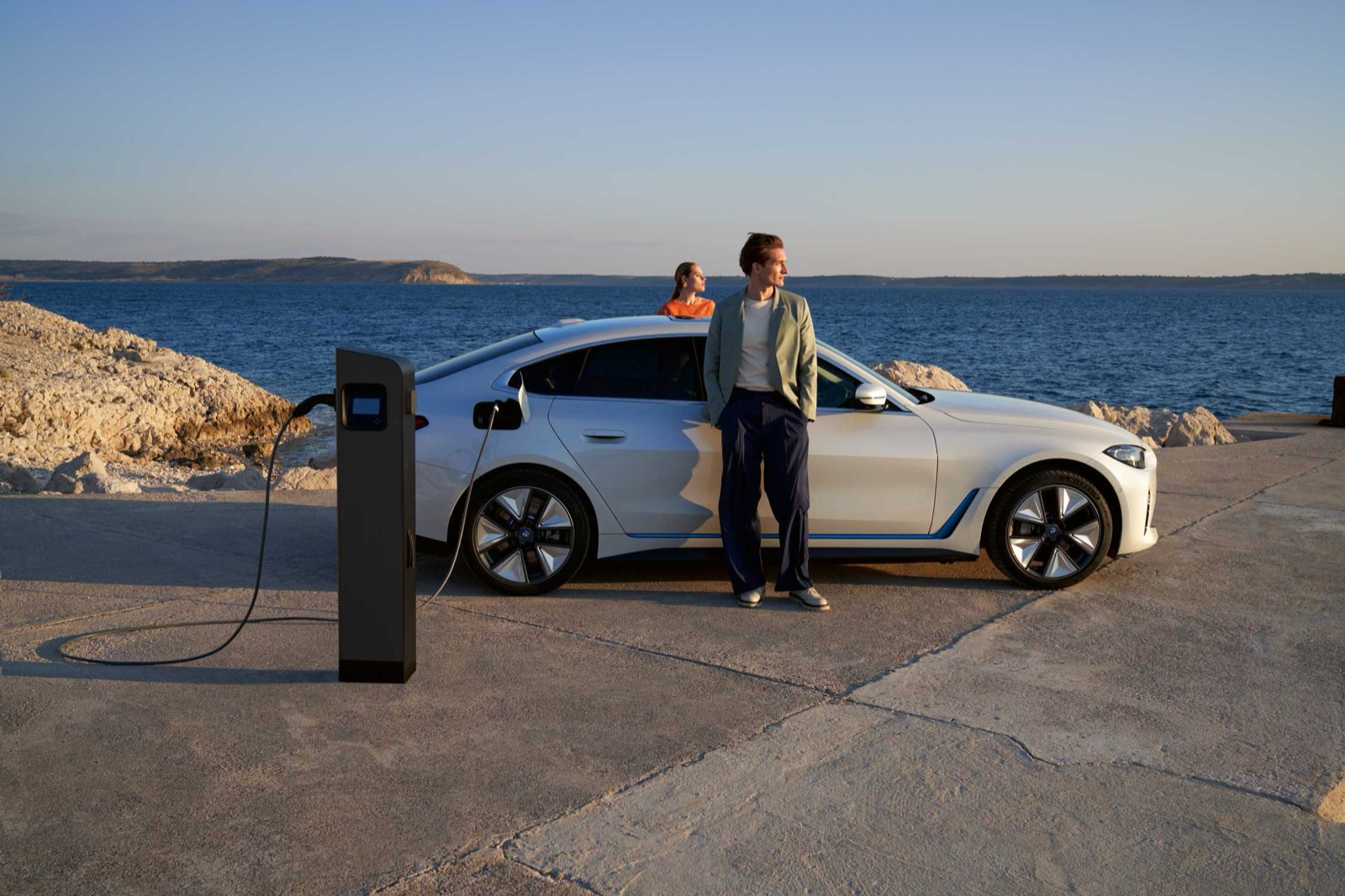
The US Department of Energy recommends preconditioning while the vehicle is connected to charging where supported. Check how your car schedules this feature and whether it warms the cabin, battery or both. Follow its charging instructions rather than adopting another model’s settings.
DOE also recommends protected parking where available and returning charging connectors to their proper position after use. Inspect the equipment before connecting it and follow its instructions if ice or damage prevents normal use.
Do not reduce demisting or visibility to save energy. Heating needs belong in the journey plan, not in a competition to reproduce a summer efficiency figure.
Plan a primary stop and an alternative
For each longer leg, identify a compatible charging site and another reachable option. Check opening hours, access restrictions, payment arrangements and available status information before setting off. A map pin alone does not confirm that a charger is accessible or working.
Record the expected arrival charge and the assumption behind it. If the car’s route estimate worsens as conditions change, reassess early instead of waiting until the planned stop is the only remaining option.
Here is a hypothetical energy example, not a winter-loss forecast: a 180 km leg at 20 kWh/100 km requires 36 kWh for driving. At 25 kWh/100 km, it requires 45 kWh. That nine-kWh difference shows why a margin matters, but neither rate is a claim about your vehicle. Additional stationary heating or a diversion may change the requirement further.
Keep useful notes from real journeys
Record temperature, route, distance, start and finish charge, and any charging stops. Compare trips with similar conditions before deciding whether an apparent change is unusual. A short, heavily heated journey and a longer continuous drive are not interchangeable tests.
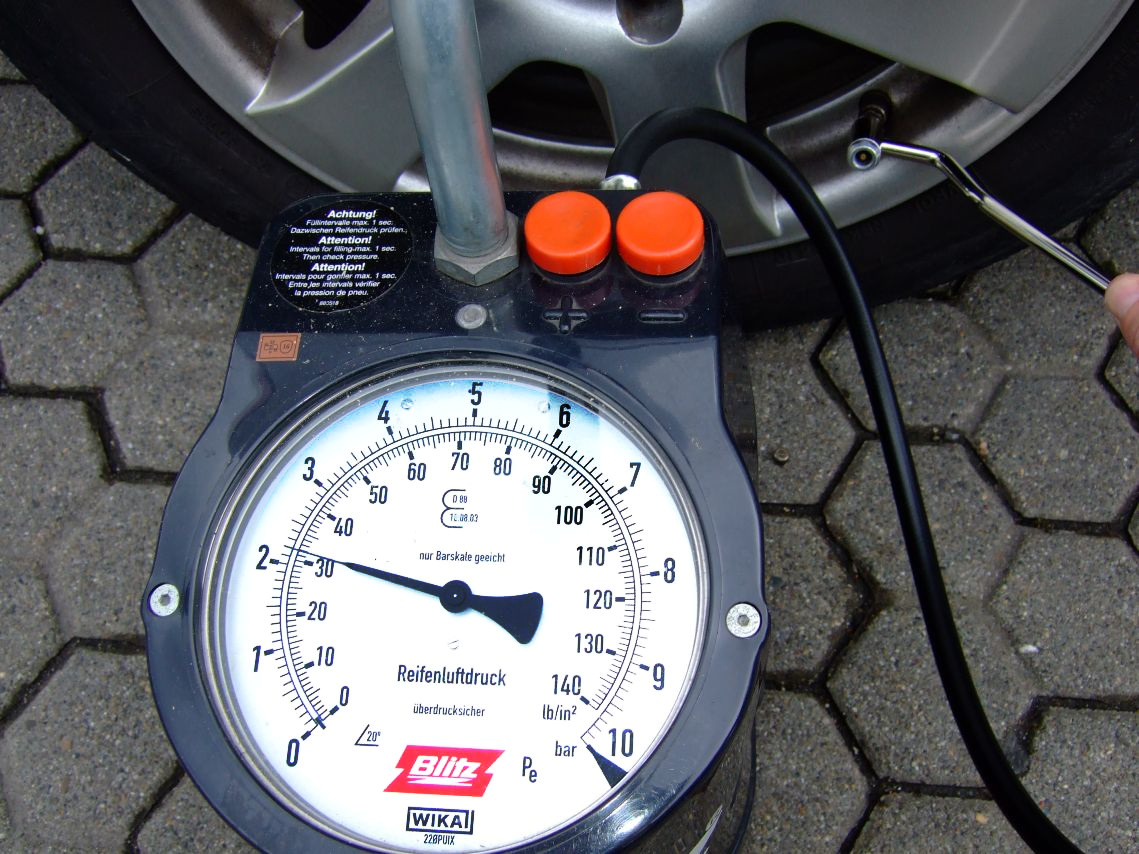
Check cold tyre pressure against the vehicle’s label; our tyre-pressure guide explains the routine. For charging expectations, see our guide to peak versus average charging power.
The goal is a journey with workable alternatives and enough energy for the conditions. No generic range adjustment can replace that preparation.