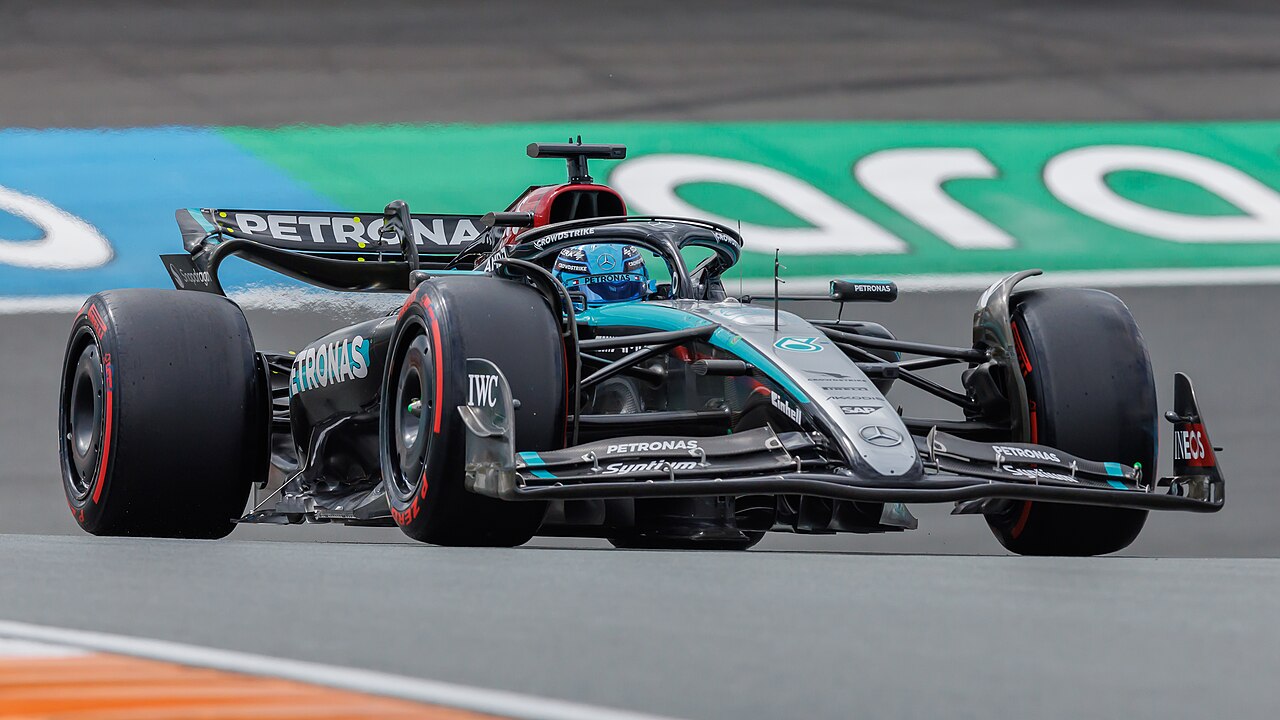
Sixty years is a long time to wait for a home victory. Ludovico Scarfiotti won the Italian Grand Prix for Ferrari in 1966. No Italian had won at Monza since. On 6 September 2026, Andrea Kimi Antonelli did it — from nineteenth on the grid, in a Mercedes, in front of a grandstand that had come exclusively to watch Ferrari.
The statistic that should stop you is not just the Italian drought. It is this: no driver had won a Formula 1 World Championship Grand Prix from nineteenth or lower since Bill Vukovich at the 1954 Indianapolis 500. Seventy-two years.
Here is how it happened, and why it was less of a fluke than the headline suggests.
The Penalty That Set Up the Win
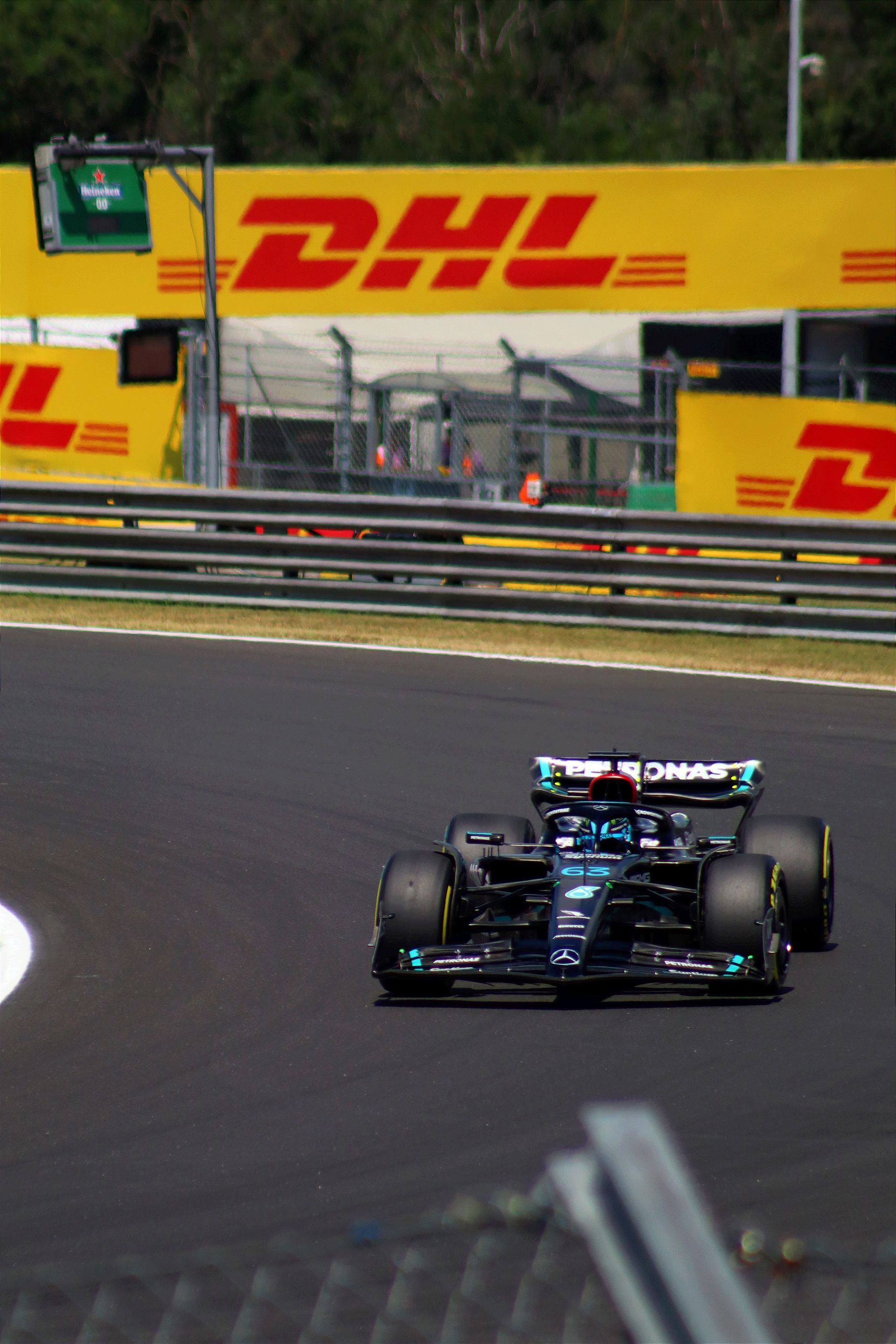
Antonelli qualified seventh. He started nineteenth, courtesy of a 30-place grid penalty for exceeding his power unit element allocation.
Under the 2026 powertrain regulations, engine attrition has become a genuine strategic variable again, and teams must choose where to absorb the penalty. Mercedes took it at Monza. On paper that looks counter-intuitive — taking a massive penalty at the home race for their young Italian prodigy in front of the tifosi.
On track, however, Monza is arguably the most forgiving circuit on the calendar for a recovery drive. It features massive slipstream effects, the highest full-throttle percentage of the year, three heavy braking zones that reward a committed driver, and a well-documented tendency to produce safety cars and race neutralisations.
Pierre Gasly took pole for Alpine with a 1:21.786, ahead of George Russell, Charles Leclerc, Lewis Hamilton and Max Verstappen. Antonelli lined up behind almost the entire field.
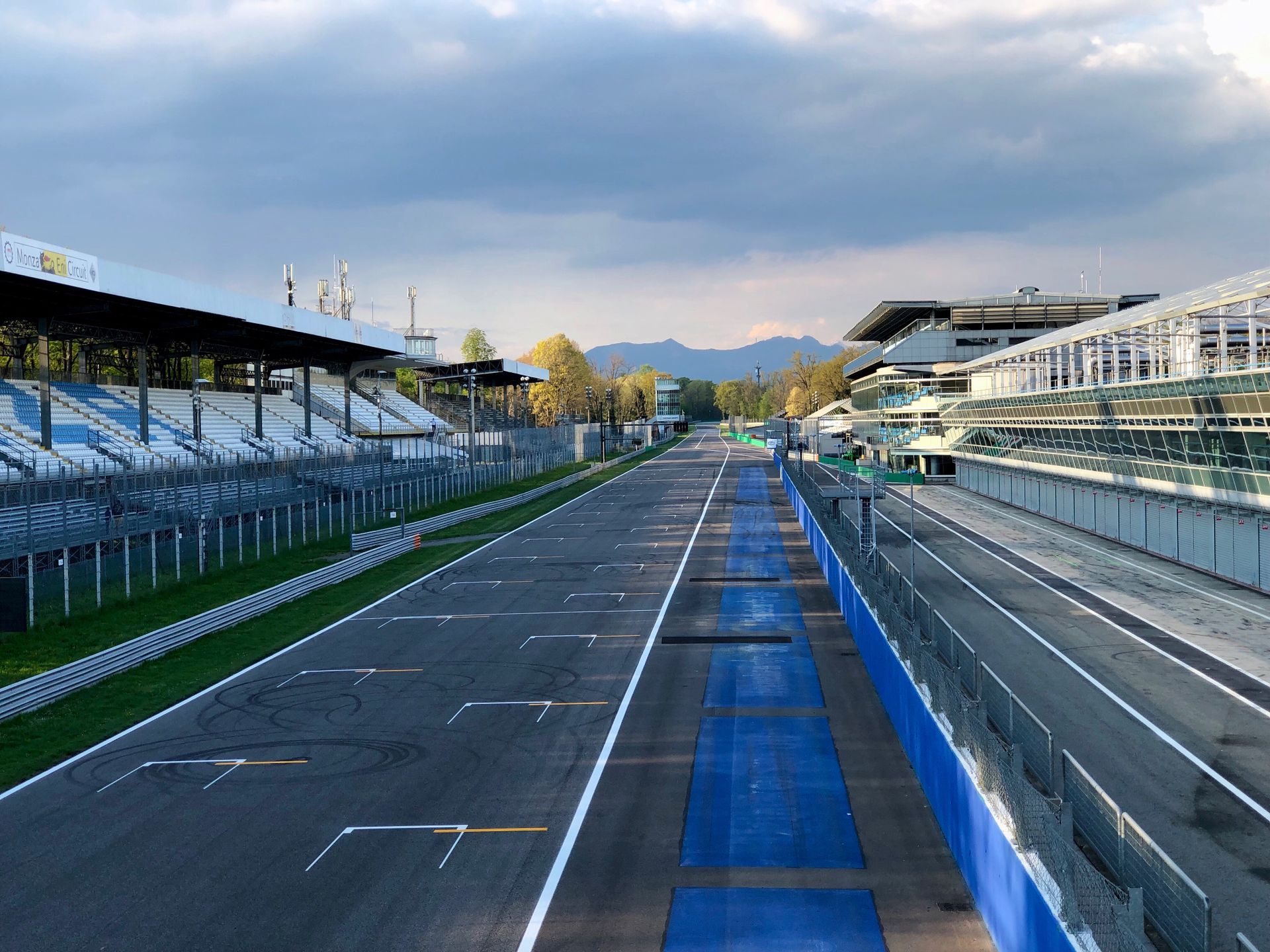
Lap Two: The Drainage Grate
Ferrari's weekend dissolved almost before it began. On lap two, Charles Leclerc ran over a dislodged drainage grate on the approach to Curva Parabolica, spun violently, and struck the barrier. He walked away uninjured, but the car was destroyed.
The race was red-flagged for roughly thirty minutes while the marshals repaired the barrier, setting up a standing restart. Hamilton, caught out in the opening-lap chaos, lost ground he would never fully recover.
That red flag was the decisive pivot. Antonelli had already climbed to twelfth within three laps of the original start. At the restart, Mercedes fitted him with fresh medium tyres — a compound choice that gave him an operating window nobody ahead of him possessed.
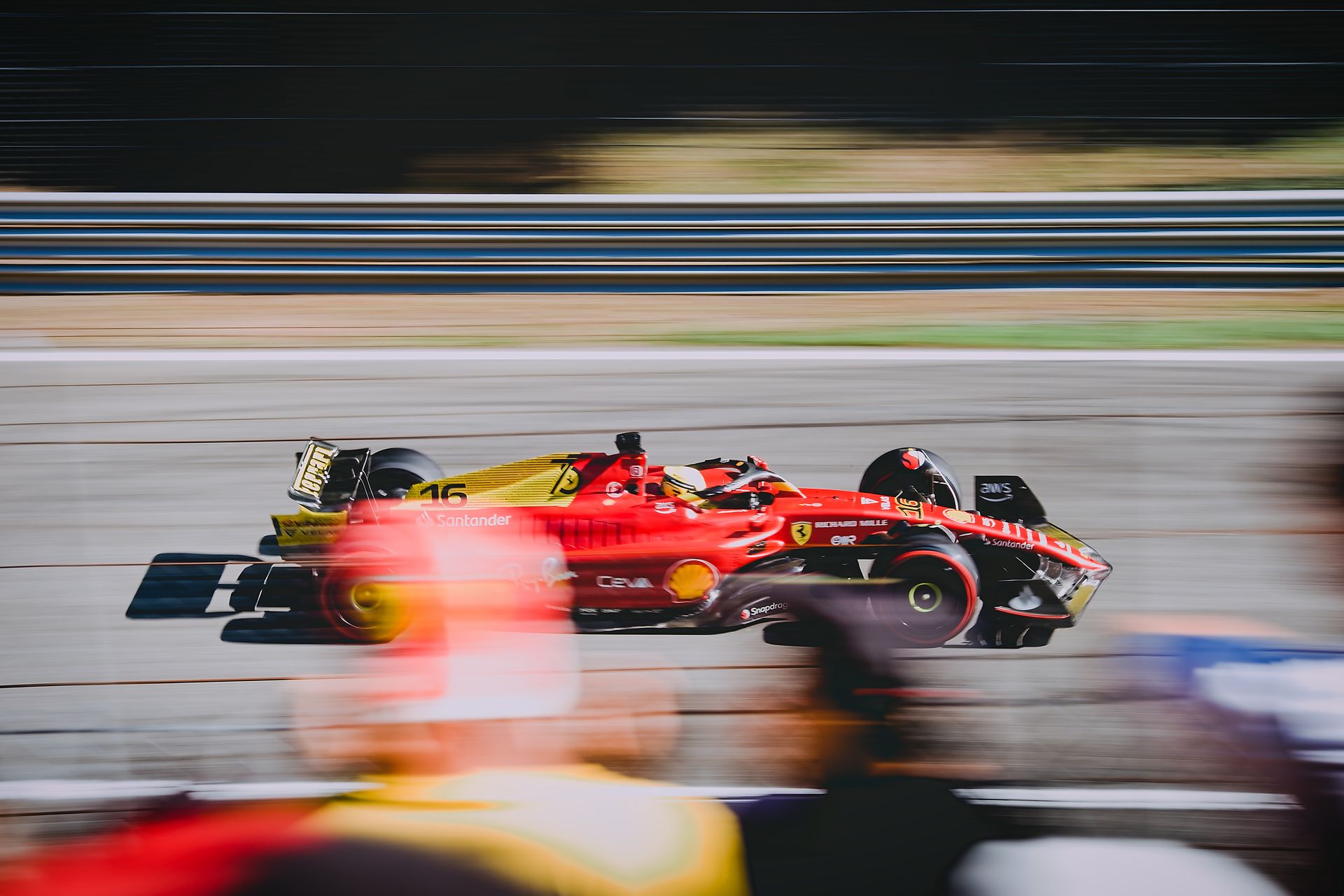
The Decisive Final Laps
From the restart, Antonelli drove with clinical maturity. He picked off cars methodically, managed tyre degradation through the high-speed Lesmos, and arrived in the closing stint with tyre life his own team-mate lacked.
Russell led. Antonelli closed down the gap. His first overtaking attempt into Turn 1 went deep, forcing him wide at the second chicane — a moment he later described plainly: "It was quite scary there in the moment."
He reset, waited one lap, and made a clean, decisive move stick into the Ascari chicane with three laps remaining. Russell, struggling on older rubber, had no response.
| Pos | Driver | Team |
|---|---|---|
| 1 | Kimi Antonelli | Mercedes |
| 2 | George Russell | Mercedes |
| 3 | Max Verstappen | Red Bull |
| 4 | Lando Norris | McLaren |
| 5 | Oscar Piastri | McLaren |
| 6 | Lewis Hamilton | Ferrari |
| 7 | Pierre Gasly | Alpine |
| 8 | Arvid Lindblad | Racing Bulls |
| 9 | Franco Colapinto | Alpine |
| 10 | Yuki Tsunoda | Racing Bulls |
What the Championship Looks Like Now
Antonelli now leads the Drivers' Championship with 267 points. Russell is second on 201, Hamilton third on 191, Norris fourth on 171, and Leclerc fifth on 155. Max Verstappen sits sixth on 127 points.
In the Constructors' Championship, Mercedes holds 468 points against Ferrari's 346 and McLaren's 287, with Red Bull fourth on 204. Six races remain in the season.
The 2026 regulation overhaul has shifted the competitive order. Mercedes mastered the internal combustion and hybrid electrical balance, while Red Bull continues to struggle for straight-line efficiency.
The Ferrari Dilemma at Maranello
The uncomfortable reality for Maranello is striking: Ferrari has two of the five fastest drivers on the grid, sits second in constructors' points, and has once again endured a Monza weekend resulting in a wrecked car and a distant sixth place.
Leclerc's crash was initiated by track hardware — pure bad luck. But Ferrari's season has established a recurring pattern where Saturday qualifying pace dissolves under Sunday race execution. Hamilton's arrival was intended to redefine operational discipline; on this evidence, the car is closer to the front than the pit-wall operations are.
Antonelli's Monza triumph represents the arrival of a new era — a 20-year-old holding a 66-point world championship lead with six rounds to go.