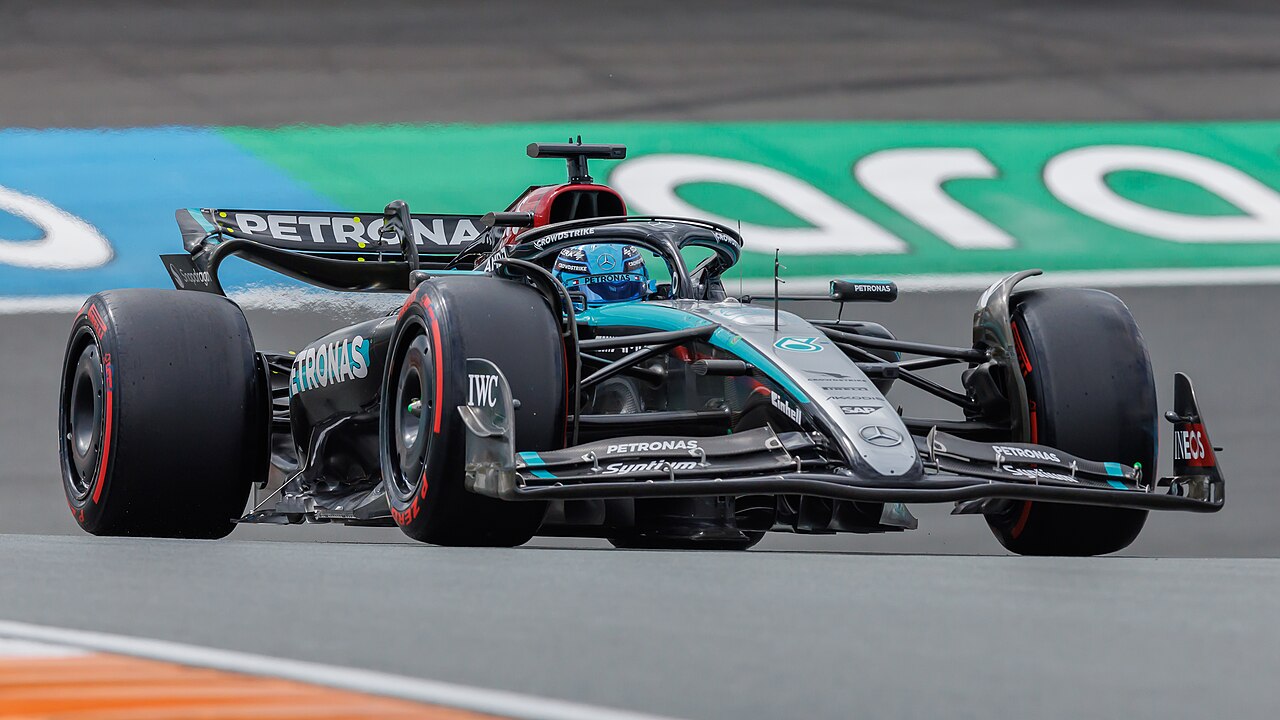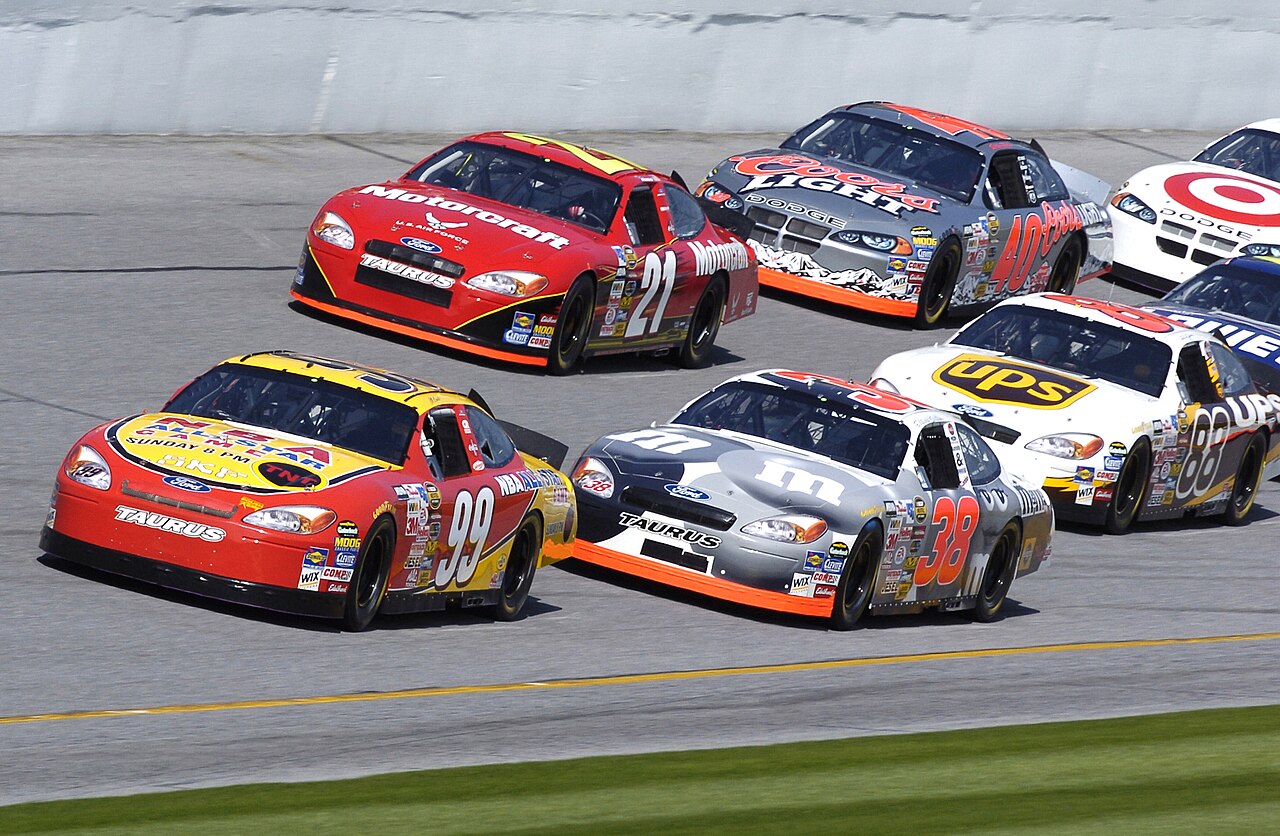
Two major storylines emerged from the Cook Out Southern 500 on 6 September. One was Christopher Bell finally returning to victory lane after a year-long drought. The other was Carson Hocevar publicly refusing to offer a routine post-race apology. The second storyline will resonate far longer across the garage.
The Race: Fresh Rubber Beats Track Position
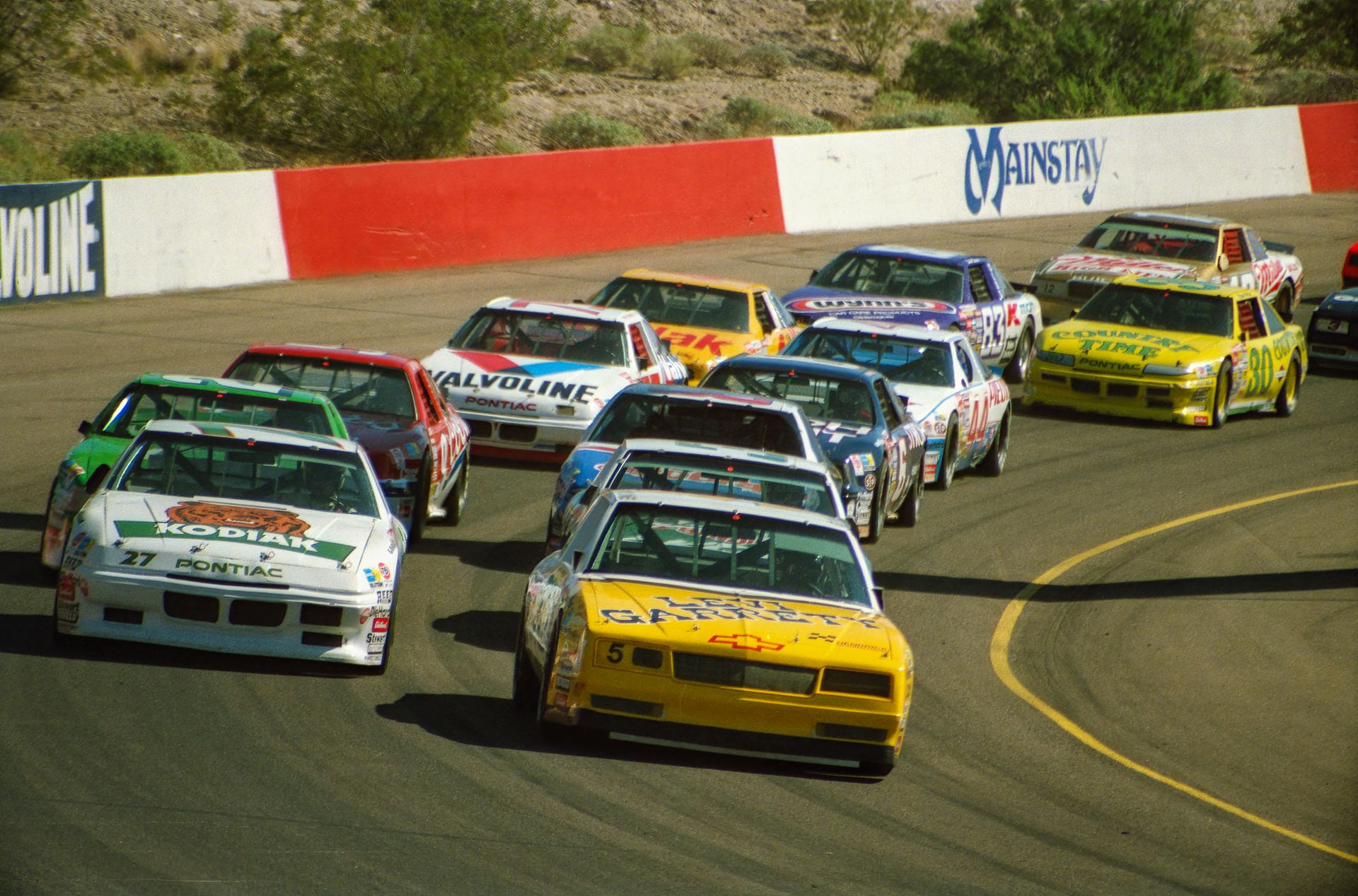
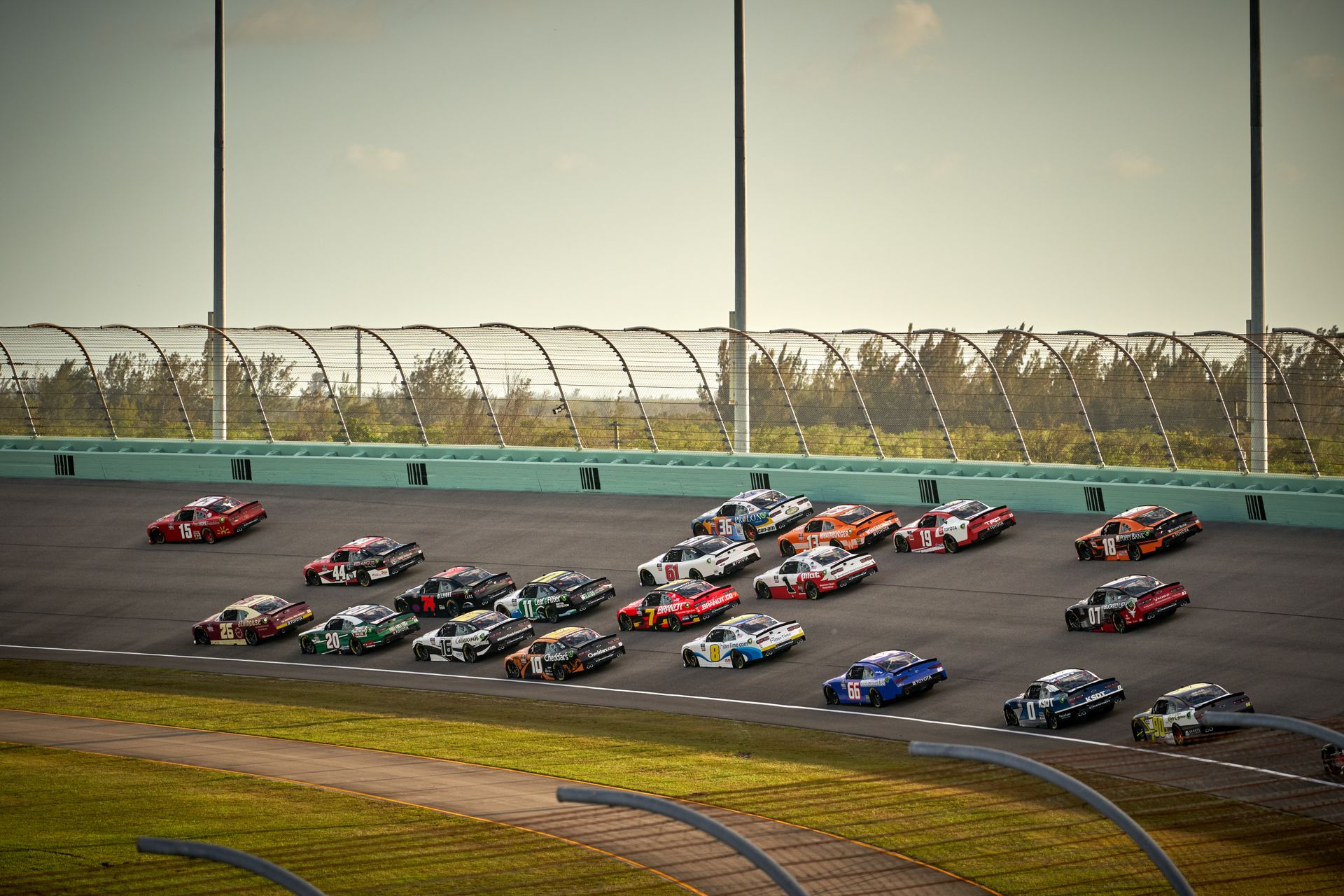
Darlington Raceway proved as unforgiving as ever. Heavy rain wiped out practice and qualifying, forcing NASCAR to set the starting lineup using its performance metric formula. Six caution periods consumed 44 of the 367 scheduled laps.
Kyle Larson paced the field for a race-high 99 laps. Tyler Reddick led 74, Denny Hamlin 68, Christopher Bell 46, Bubba Wallace 38, and Chase Briscoe 30. Reddick captured Stage 1, while Bell secured Stage 2.
The race turned on the final caution, which flew with 33 laps to go due to light rain, triggering a seven-minute, 39-second red flag. Larson opted to stay out on worn tyres to preserve track position, while the majority of contenders pitted for fresh Goodyear rubber.
Bell's crew serviced the No. 20 Joe Gibbs Racing Toyota with lightning speed, putting him first off pit road among cars taking tyres. Restarting fifth, Bell methodically worked through traffic as Larson defended bravely at the front. With 12 laps remaining, Bell generated tremendous momentum off Turn 2, dove to the bottom line, and claimed the lead, taking the chequered flag by 1.038 seconds.
It marked Bell's first Cup victory in 33 races and his first career Southern 500 crown jewel.
| Pos | Driver | Team / Car |
|---|---|---|
| 1 | Christopher Bell | Joe Gibbs Racing Toyota |
| 2 | Ty Gibbs | Joe Gibbs Racing Toyota |
| 3 | Kyle Larson | Hendrick Motorsports Chevrolet |
| 4 | Tyler Reddick | 23XI Racing Toyota |
| 5 | Ryan Blaney | Team Penske Ford |
| 6 | Chase Briscoe | Stewart-Haas Racing Ford |
| 7 | Josh Berry | Stewart-Haas Racing Ford |
| 8 | Bubba Wallace | 23XI Racing Toyota |
| 9 | Joey Logano | Team Penske Ford |
| 10 | Ryan Preece | Stewart-Haas Racing Ford |
Playoff Picture: Denny Hamlin holds the standings lead, with Bell (−12 pts), Blaney (−16), Reddick (−24), Briscoe (−37), Ty Gibbs (−39), Larson (−49) and Chase Elliott (−72) following behind with nine races left in the postseason.
The Incident: Lap 105, Turns 3 and 4
Late in Stage 1, Carson Hocevar made aggressive contact with Brad Keselowski through Turns 3 and 4. Keselowski backed into the outside retaining wall and spun onto the frontstretch.
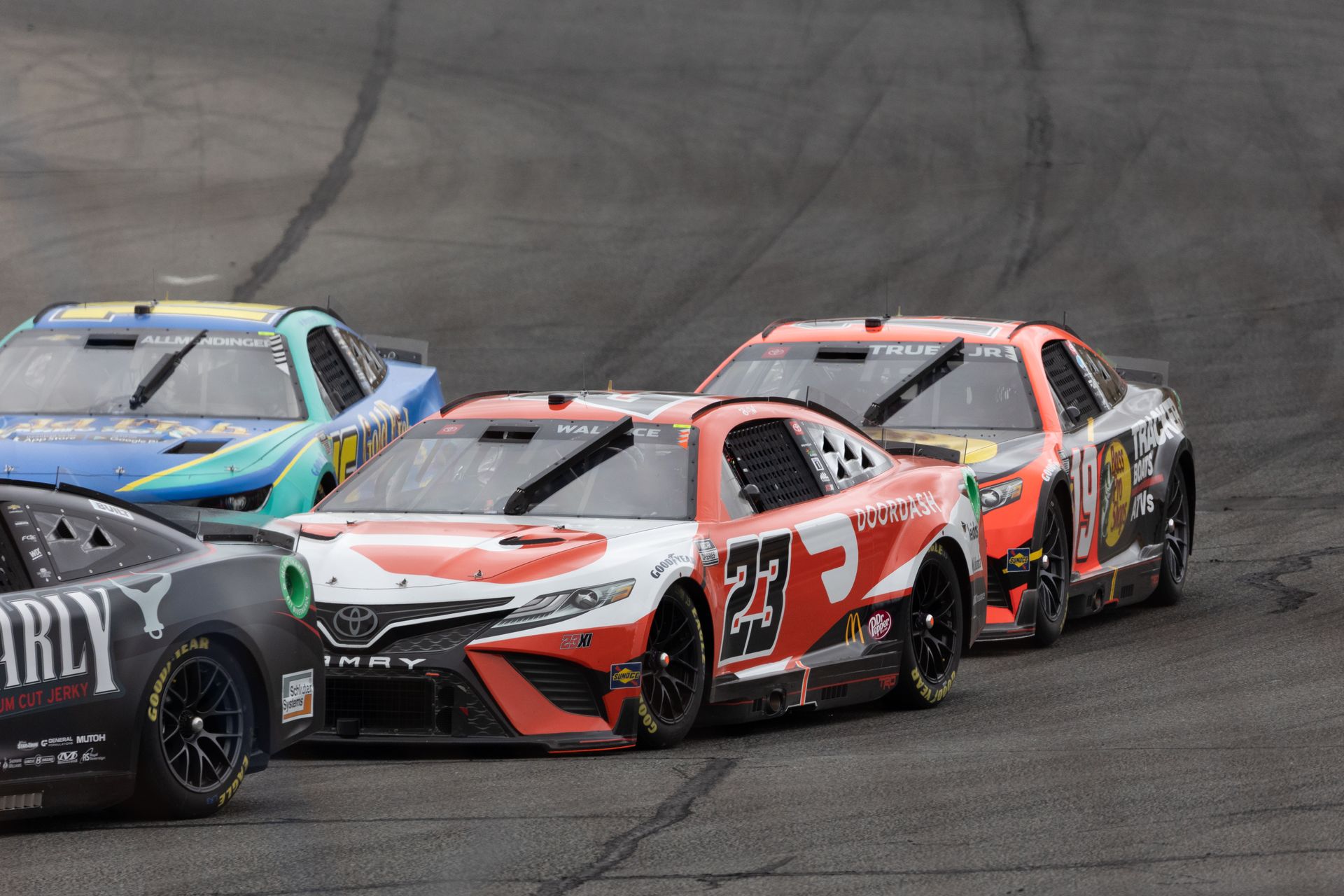
While the contact was routine by Darlington standards, the subsequent fallout ignited the garage. Keselowski stated plainly on Sunday that Hocevar's "day is coming" — the time-honoured NASCAR terminology for an unresolved score.
On a Wednesday media call, Hocevar openly rejected the expected apology ritual:
"S--- happens sometimes when you're racing hard. For me, it would annoy me more if roles were reversed and I was just like, 'Oh, sorry.' You keep hearing that all the time; for me that would kind of rub me wrong because it's artificial."
He characterised the traditional post-race apology phone call as "extra fluff," arguing that competitors understand contact is not intentional.
Why Hocevar's Logic Breaks Down
Hocevar's perspective is clear: if an apology lacks genuine remorse, performing it for the cameras is hollow theatre.
However, he misinterprets the fundamental function of the ritual. In stock car racing, the post-race phone call is not an emotional plea — it is a debt settlement mechanism in a repeated game. Cup Series drivers compete against each other 36 times a year for over a decade. Every unprovoked wreck creates an outstanding balance.
Refusing the ritual does not eliminate the debt; it simply surrenders control over when and where the other driver chooses to collect it. Keselowski, a veteran who has navigated garage politics since 2010, knows that an unsettled account during a playoff elimination race at Martinsville or Bristol carries an immense price tag.