An annual fuel-cost estimate needs three inputs: distance driven, fuel consumed per unit of distance and the price of that fuel. Use the same distance and price assumptions when comparing cars, then check how the result changes under less favourable conditions.
The US EPA’s label explanation makes clear that its annual fuel-cost figure depends on stated assumptions. Its consumption measure, gallons per 100 miles, connects directly to fuel used. The number printed on a label is therefore a comparison starting point, rather than a personalized bill.
Start with your annual distance
Use your own odometer history where available. If you are estimating, add commuting, regular errands and longer journeys separately. Record whether you used kilometres or miles and whether your routine is likely to change.
For an existing car, several normal refuelling cycles can provide a more useful baseline than one unusually easy journey. Record distance and fuel added consistently; do not treat a single dashboard reading as an exact annual prediction.
Choose the formula that matches your units
- Litres per 100 km: annual kilometres × consumption ÷ 100 × price per litre.
- Kilometres per litre: annual kilometres ÷ km/l × price per litre.
- Miles per gallon: annual miles ÷ MPG × price per gallon.
Keep the gallon definition consistent with the rating and pump price. Do not combine a US MPG figure with a price per imperial gallon. Similarly, enter a quoted price in the currency unit you want the result to use.
Here is a hypothetical metric example, not a claim about a real vehicle or today’s fuel price: 12,000 km a year at 6.5 L/100 km uses 780 litres. At 1.60 currency units per litre, the estimated annual fuel cost is 1,248 currency units.
At the same distance and price, a second car using 8.0 L/100 km would use 960 litres and cost 1,536. The estimated difference is 288 per year. This isolates fuel spending; it does not establish which car is cheaper to own overall.
Test a less favourable year
FuelEconomy.gov explains that standardized ratings support comparison but may not predict your own average. Driving conditions, maintenance and vehicle differences can change the outcome.
For the first example, increase both consumption and fuel price by 10% as a planning scenario. The estimate becomes 1,248 × 1.1 × 1.1 = 1,510.08, about 21% higher. This is a sensitivity calculation, not a forecast of either variable.
Keep the original assumptions beside the result. That makes it easier to update your estimate when the commute, observed consumption or local pump price changes.
Keep fuel separate from the complete ownership budget
Add purchase cost, financing where relevant, insurance, servicing and other local costs separately. Fuel savings alone do not show whether paying more for another car makes sense for your circumstances.
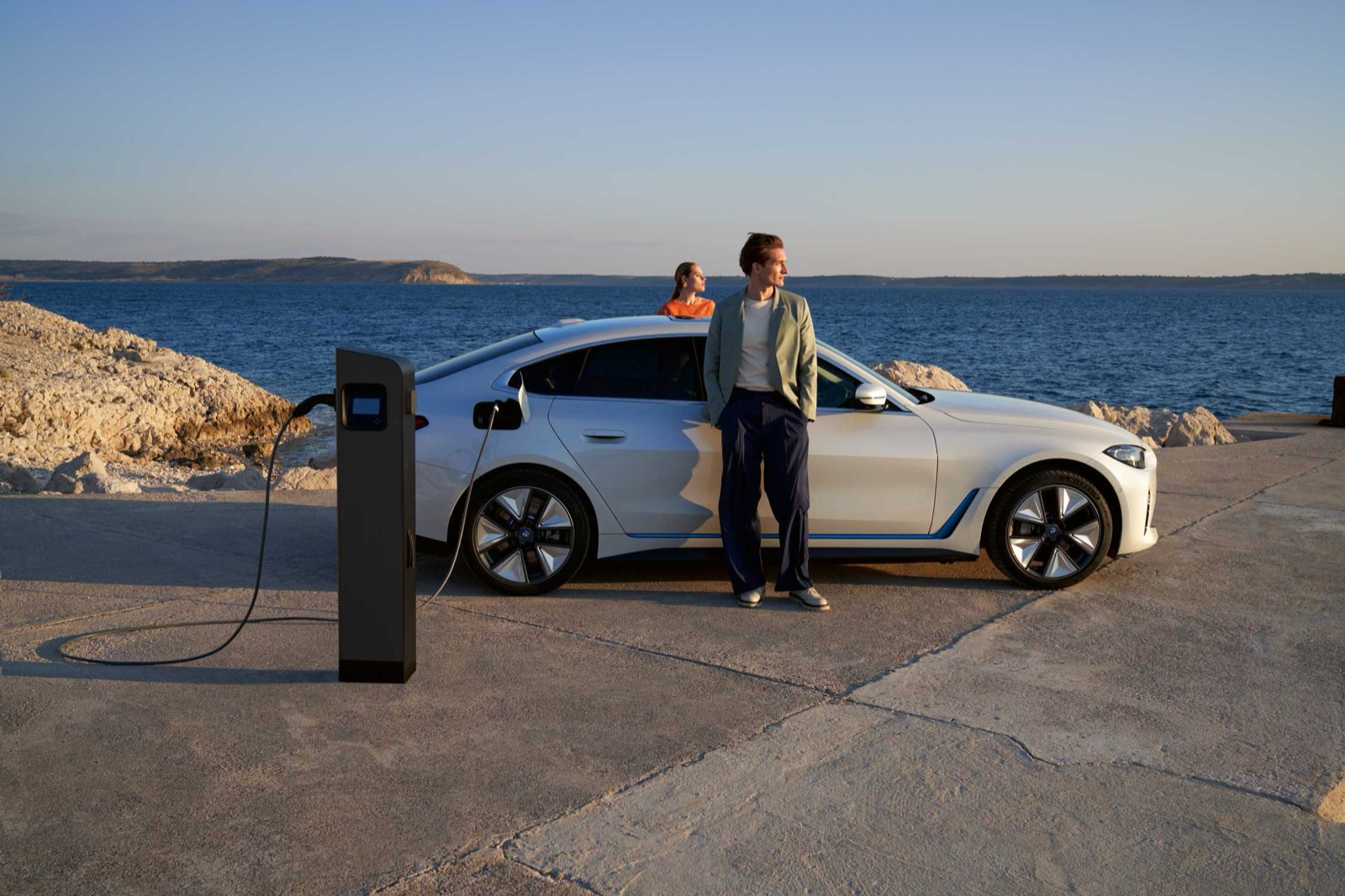
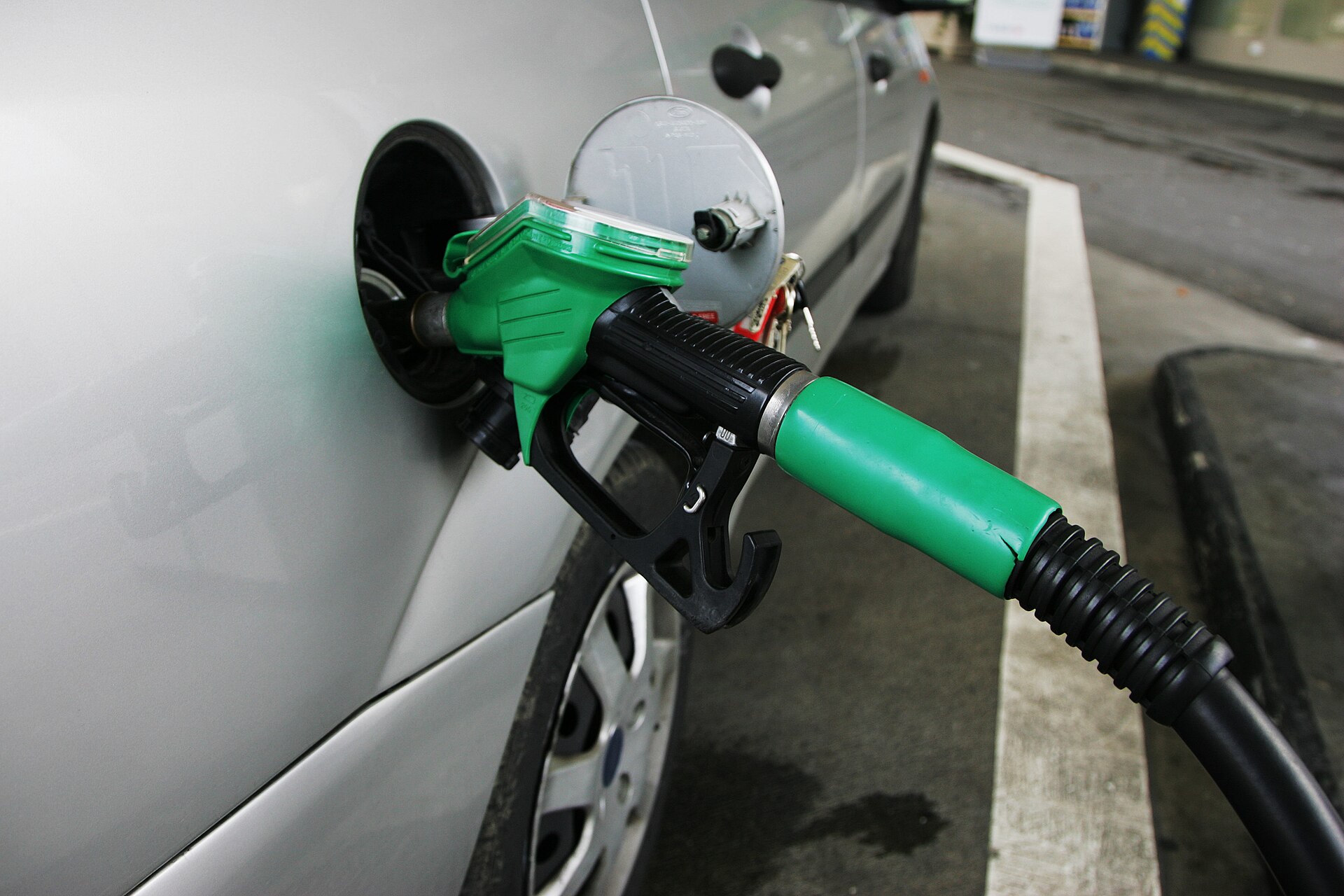
This calculation covers liquid-fuel spending. A plug-in hybrid needs a separate electricity estimate as well; an EV needs a charging-cost calculation. Browse our buying guides and ownership coverage for related checks.